
INTRODUCTION: When Dreams Quietly Die

When Dreams Quietly Die, it doesn’t only affect Nosipho…
it affects everyone.
Because what feels small in the beginning…
is never small.
The moment it starts, the butterfly effect is already in motion.
And time doesn’t rewind…
it keeps moving forward.
So what goes unchallenged today…
becomes normal tomorrow.
And when outdated behaviour continues to circulate in an environment that is already gasping to breathe… to grow… to evolve…
the consequences don’t arrive loudly.
They settle.
Quietly.
Not just in Nosipho’s life…
but in everyone connected to her.
Because many of these behaviours don’t look dangerous.
They look like wisdom.
They sound like advice.
But in reality…
they are often just fear…
projected, repeated, and passed down…
until they slowly replace purpose.
Until they quietly reshape identity.
Until they become the death of Nosipho’s calling…
without anyone ever saying it out loud.
When kings can’t raise a young prince… the doves cry here.
— Malice
The Day It Changed Without You Noticing

I remember…
the passion Nosipho had.
Standing on the school quad during break time…
speaking about a dream that felt bigger than all of us.
A dream that made people laugh.
Not to bully her…
even though on the surface, that’s what it looked like.
The loud ones.
The ones who always talk…
but never really say anything.
But if you looked a little deeper…
it wasn’t mockery.
It was discomfort.
Because Nosipho wasn’t just speaking…
she was holding up a mirror.
And that mirror forced everyone around her…
to see themselves.
For some…
it was uncomfortable.
For others…
it was inspiring.
But either way…
it disrupted something.
And slowly…
without anyone saying it directly…
a collective belief formed.
That maybe…
just maybe…
Nosipho would leave a legacy.
Something that carried honour…
respect…
impact.
Something that wouldn’t just change her life…
but all of ours.
And for a moment…
standing there in that quad…
you could feel it.
A quiet sense of belief.
A kind of shared motivation.
Even the loud ones went silent.
Even the ones who laughed…
started thinking.
About their own lives.
Their own direction.
Their own potential.
And for the first time…
I saw something I hadn’t noticed before.
Not the noise.
Not the laughter.
But the shift.
Because in that moment…
Nosipho didn’t just speak about a dream…
she exposed something deeper.
What people could become…
and what they were slowly choosing instead.
When Survival Replaced Vision: When Dreams Quietly Die
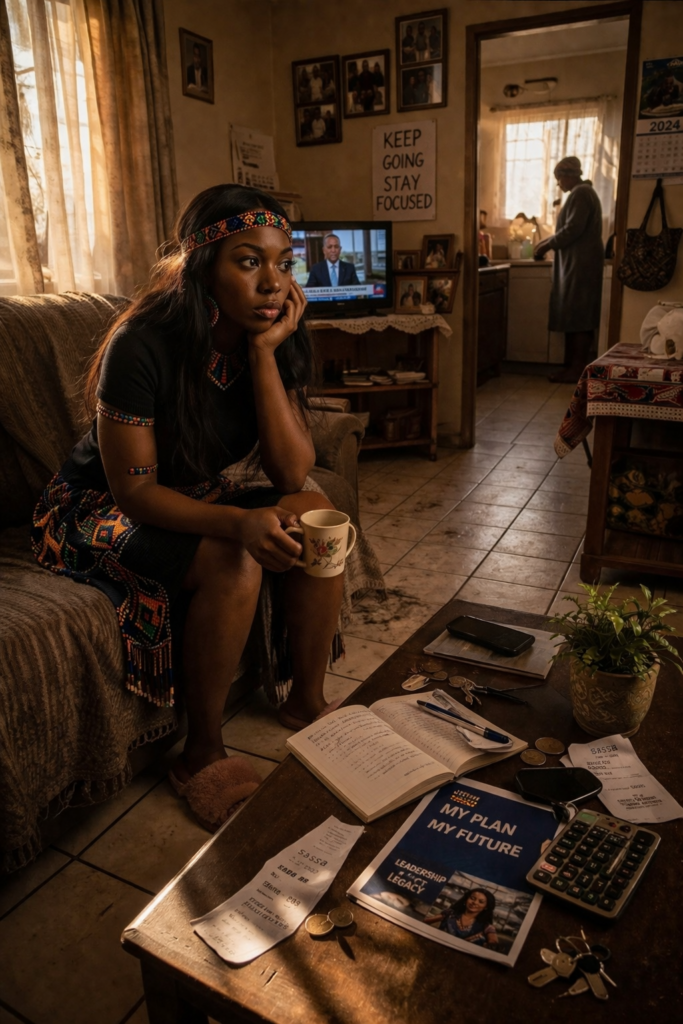
When dreams quietly die…
they don’t collapse overnight.
They fade.
Through a series of small, almost invisible shifts.
Patterns that once helped you survive…
but no longer help you grow.
And the thing about these patterns is…
they don’t argue.
They don’t announce themselves.
They simply repeat.
Until they either build something…
or slowly destroy it.
You can see it everywhere.
In nature.
In history.
In life itself.
Species that adapt… survive.
Species that don’t… disappear.
Not loudly.
Not dramatically.
Just… over time.
And the same principle applies to people.
Because there was a time…
when survival was everything.
When thinking small made sense.
When playing it safe protected you.
But time moved.
The world changed.
And what once kept you alive…
can quietly become the very thing that holds you back.
Because comfort has a cost.
And anything that stops evolving…
eventually gets left behind.
Not always physically…
but mentally.
Emotionally.
And eventually…
in identity.
And somewhere in that shift…
without realising it…
Nosipho began to adjust.
It began the day she stopped fighting as hard as she once did.
Not because she didn’t believe anymore…
but because the resistance around her grew louder than the vision within her.
And that’s how it happens.
Not through one bad decision…
but through repeated moments of silence.
Moments where support was expected…
but never arrived.
Moments where belief was promised…
but slowly withdrawn.
Nosipho didn’t make reckless choices.
She adapted.
To the environment.
To the expectations.
To the voices that sounded like guidance…
but carried limitation.
Voices that said:
“Be realistic.”
“Focus on what’s in front of you.”
“People like us don’t do that.”
And over time…
those words didn’t feel like opposition anymore.
They felt like truth.
Even though something in her still resisted.
Even though something in her still knew.
But knowing something…
and being supported in it…
are two very different things.
So she adjusted.
Not loudly.
Not dramatically.
Quietly.
The dream didn’t disappear.
It moved.
From the centre…
to the background.
And survival took its place.
She found work.
She became reliable.
She became responsible.
She did what needed to be done.
And from the outside…
it looked like progress.
But internally…
something had shifted.
Because what she once questioned…
she now accepted.
What once felt limiting…
now felt normal.
And the same environment that once resisted her…
no longer needed to.
Because the mirror she once held up…
was no longer being raised.
Not through destruction…
but through quiet replacement.
Where potential isn’t attacked…
it’s adjusted.
Until one day…
it no longer looks like what it once was.
The Environment That Shapes You Quietly
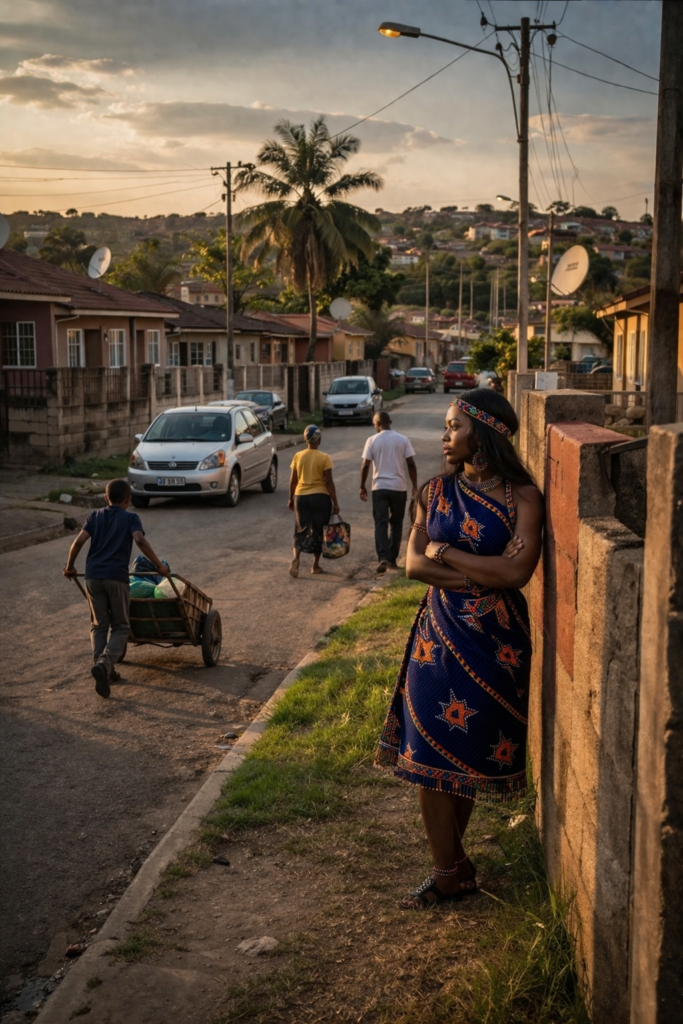
And the truth is…
Nosipho was never alone in this.
Because what shaped her…
was already shaping everyone around her.
The conversations she heard.
The behaviour she observed.
The expectations that were never questioned.
It was all there…
before she even had the awareness to challenge it.
And when something is repeated enough…
it stops feeling like influence.
It starts feeling like reality.
You don’t wake up one day and decide:
“This is who I want to become.”
You slowly become it… through what you tolerate… especially in environments that already decided how everyone should move… like the house where roles lived.
Through what you accept.
Through what you stop questioning.
And the most dangerous part about that process is…
it doesn’t feel dangerous.
It feels normal.
Because everyone around you is doing the same.
Saying the same things.
Accepting the same limits.
Living inside the same patterns.
So there’s no resistance.
No interruption.
No moment that forces you to pause and ask:
“Is this actually mine?”
These patterns often begin earlier than we realise… shaped through experiences explored in The Child Who Learned to Disappear, How Your Mother Shaped You, and How Your Father Shaped You.
The Pattern That Becomes Your Identity
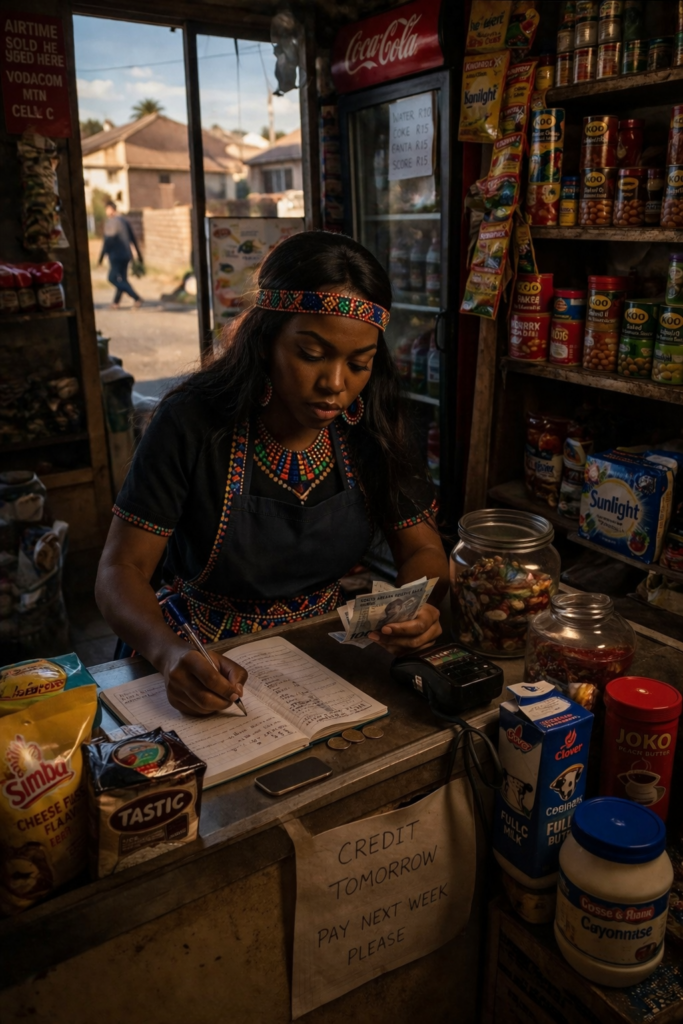
At some point…
what you repeat becomes familiar.
And what becomes familiar…
becomes comfortable.
And what becomes comfortable…
becomes who you are.
Not because you chose it.
But because you lived inside it long enough.
That’s how identity forms.
Not through one big decision…
but through small, repeated ones.
Decisions that felt temporary at the time.
Adjustments that felt necessary.
Compromises that felt logical.
Until one day…
there’s nothing left to adjust.
Because the pattern is no longer something you do.
It’s something you are.
This is the same pattern explored in We Don’t Have a Money Problem: We Have a Thinking Problem… where behaviour isn’t random… it’s built through repetition.
This is how identity is shaped over time, through what psychologists call behavioural conditioning
The Moment You Stop Questioning
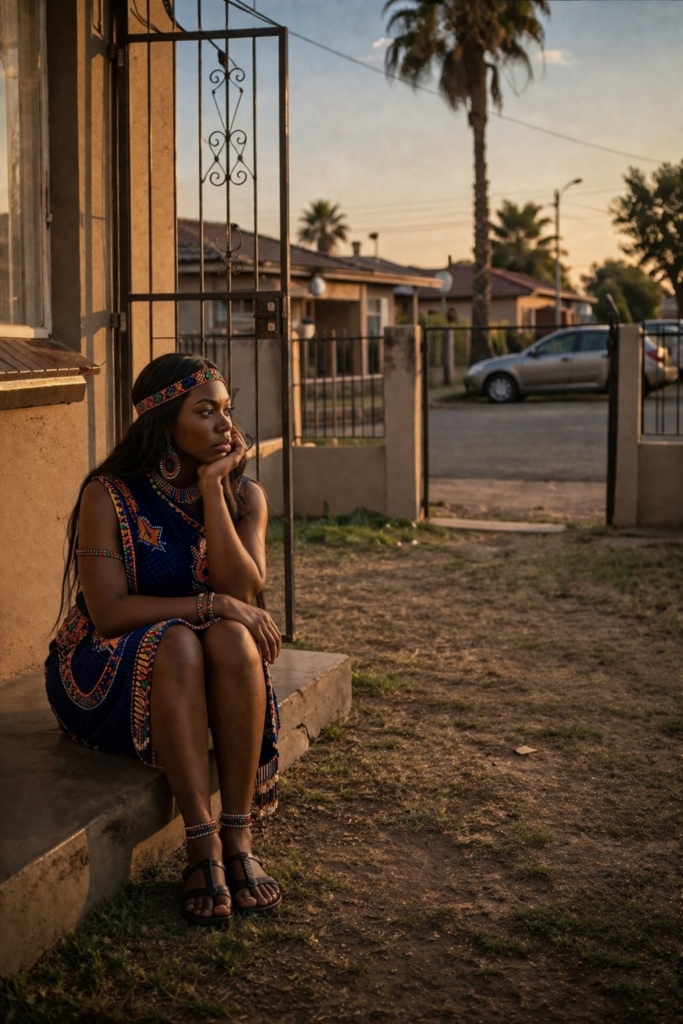
And then something else happens.
You stop asking.
Not because everything makes sense…
but because everything feels familiar.
The same routine.
The same thinking.
The same direction.
And over time… that same repetition can begin creating the emotional exhaustion and silent heaviness explored deeper in When Normal Starts Feeling Heavy.
The same kind of quiet repetition that eventually becomes the life patterns explored in Why You Stay Stuck Unaware.
No friction.
No resistance.
No discomfort.
And when there’s no discomfort…
there’s no reason to question anything.
So the pattern continues.
Not because it’s right…
but because it’s unchallenged.
And that’s where most people stay.
Not stuck…
but settled.
It’s the same quiet participation seen in What Your Bank Doesn’t Teach You… where behaviour continues not because it’s right… but because it’s never questioned.
The Mirror You Avoid: When Dreams Quietly Die
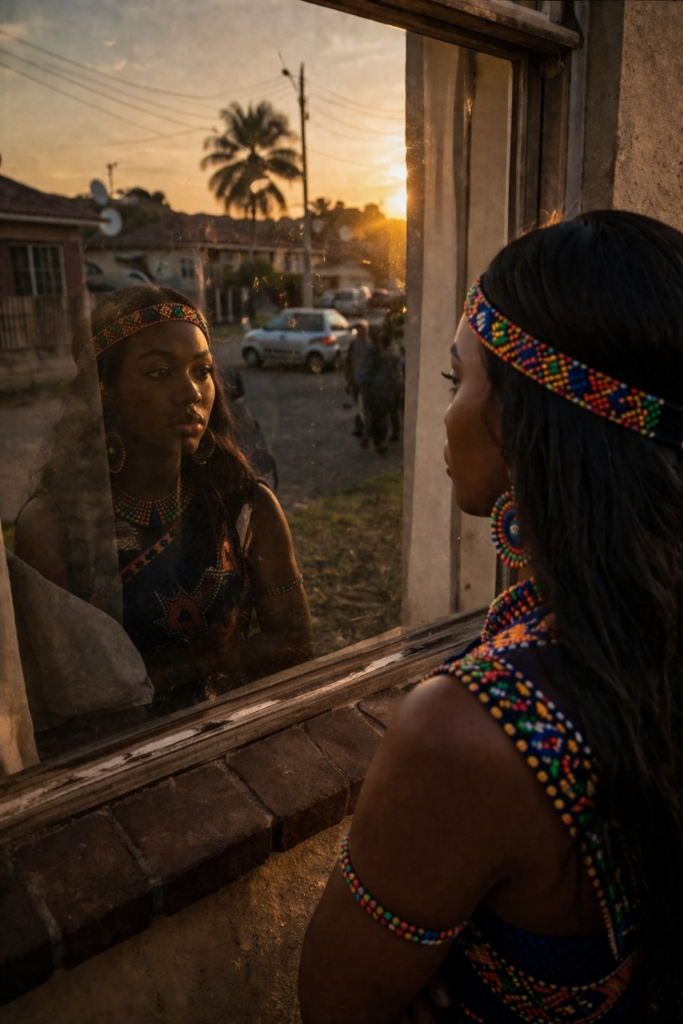
But every now and then…
there’s a moment.
A quiet one.
Where something doesn’t sit right.
Where something feels slightly off.
Not enough to disrupt everything…
but enough to notice.
And that’s the moment most people move past.
Not because they don’t see it…
but because they do.
Because seeing it means acknowledging something deeper.
That maybe…
this isn’t who they were meant to become.
That maybe…
this version of life wasn’t chosen…
it was inherited.
And that’s not an easy thing to sit with.
So instead…
they keep moving.
They keep repeating.
They keep participating.
Conclusion: When Dreams Quietly Die

And that’s how it happens.
Not through failure… but through decisions that feel natural in the moment… the same internal interruption explored in The Voice That Was Never Yours.
Where dreams are not destroyed…
they are replaced.
Where identity is not lost…
it is reshaped.
And where potential is not denied…
it is redirected.
Until one day…
there is nothing left to question.
Because everything feels normal.
And what feels normal…
rarely gets challenged.
Some people will read this…
and move on.
Others will recognise something they haven’t been able to explain.
The difference is not in what was written…
It’s in what was seen.
And if something in you recognised itself while reading this…
you’re not the only one.
Some people choose to ignore it.
Others don’t.
The Question is… what are you still
accepting that you once questioned ?
Mpumelelo Ncwana writes about the psychology behind decisions, identity, and the systems that shape behaviour.