
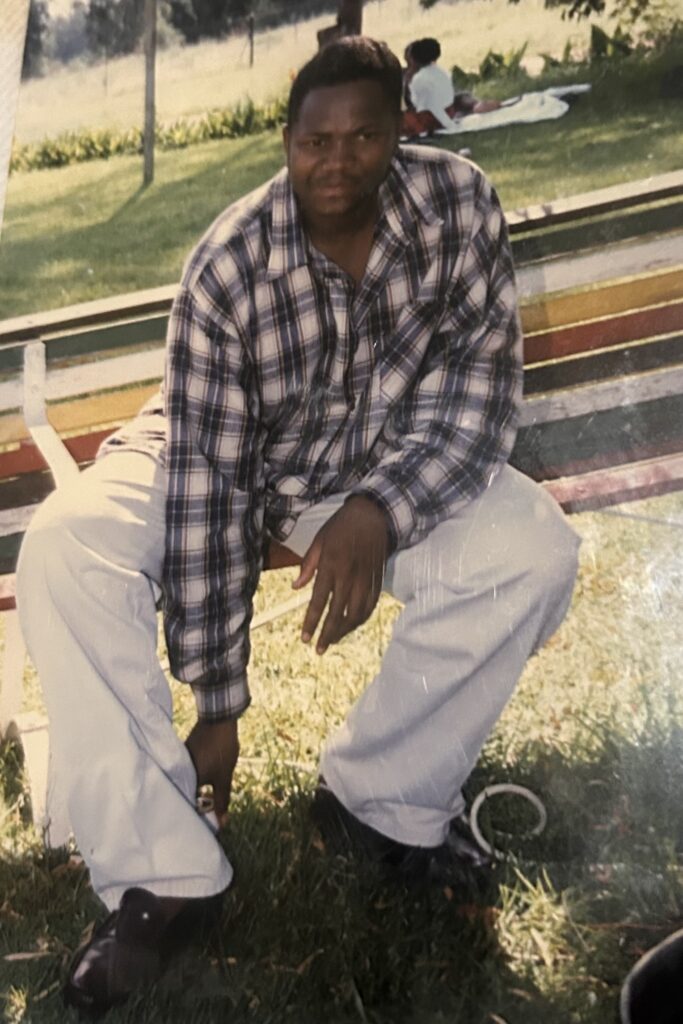
Looking back now, what my father passed down was far greater than advice, discipline or lessons.
Some of it became strength.
Some of it became independence.
Some of it became creativity.
And some of it became a void I would only understand years later.
My father was an exceptional man.
That’s probably how you’d expect me to start this one, right? Like the character Aaron played by Chris Rock.
But that’s not how I’m going to go about it.
As it stands, there is a void left by dad. A void so big, yet so empty. If I don’t integrate it, this void will be passed down from generation to generation silently until someone in my bloodline finally stops it.
Most young men and women in my position go through this silently, like fighting an invisible enemy that eventually wins if it is never confronted.
What My Father Passed Down Begins Early
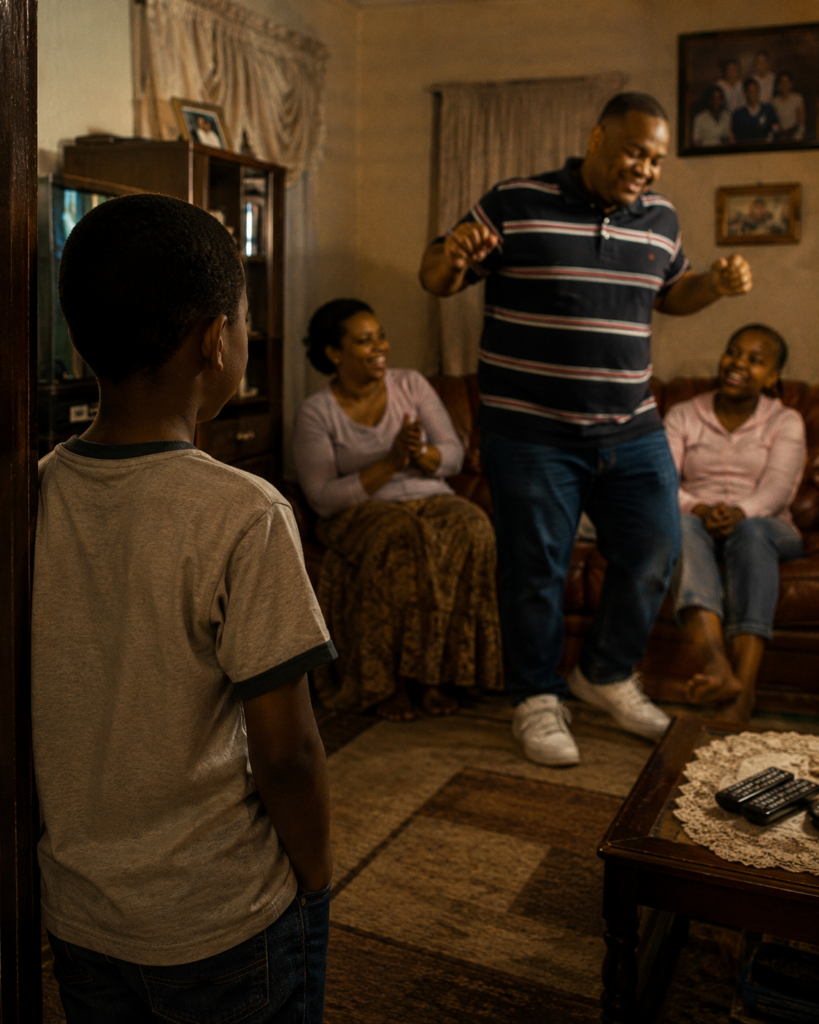
My father was indeed an exceptional man, and I doubt he even knew how much his influence and authenticity would shape me over the years because I didn’t know either.
As a young boy, I used to observe what my father did more than how he spoke to me or anyone else. Today, I remember more of his actions than his words. Those memories have left a signature deep within my subconscious.
I watched how he acted around people and how he acted around us, his family.
Around others, he was what most people would expect from a father figure. Grounded. Serious. He loved politics and conversations that carried meaning. He was quiet and composed.
But at home, he was family.
He was free.
Looking back now, I realise children do not only remember the Father who was present in front of them. They also learn his rhythms. When he normally comes home. Where he sits. How he sounds when he enters the house. The ordinary routines become so familiar that even a small change can eventually mean something. Sometimes what a father passes down is carried through what he repeatedly brings home… and sometimes the family begins noticing what happens when he doesn’t… explored deeper in The Place Father Kept Returning.
He would do his dance moves while my little sister, my mother and I laughed at how terrible they were. Looking back, he was actually very funny.
My Father’s Skills

My father was a problem solver.
When the window of his BMW got stuck and refused to close, he first went around asking local mechanics how much it would cost to repair.
When they quoted him a price he felt was too expensive, he didn’t cave in.
Instead, it motivated him to fix it himself.
As a young boy watching this unfold, I wasn’t consciously registering what was happening, but my subconscious was.
Consciously, I would simply think:
“There goes Taaimer again doing what he does best.”
But something else was happening underneath.
My father never approached problems blindly.
He would fetch the BMW manual, the one showing all the parts and systems of the vehicle.
Then he would sit in the living room, put on his reading glasses and begin reading.
Without knowing it, my subconscious was learning a lesson:
If you want to solve problems in life, you must first be willing to learn.
He would spend hours reading.
Then he would grab his famous toolbox and get to work.
Eventually, he fixed the window successfully.
As a young teenager, I was impressed.
At the same time, it made me uncomfortable.
Back then, I didn’t enjoy reading.
I didn’t enjoy hard work.
But little did I know my subconscious was already taking notes.
My father applied this independent thinking to everything.
He hated wasting money on things he could fix himself.
If the heater broke, he’d fix it.
If the stove stopped working, he’d buy a fuse and repair it himself, sometimes alongside my little sister, who inherited her love for fixing things with her hands.
Not only that, but my father was highly skilled in his profession.
Looking back now, I realise watching Father solve problem after problem quietly created another picture in my mind too. Father was the person who figured things out. The person who read, learnt, tried again and eventually found a way forward. But there are some moments where experience, intelligence and responsibility still do not produce an answer. Sometimes the more revealing moment is not watching Father solve the problem… but watching what happens when Father genuinely doesn’t know… explored deeper in The Day Father Had No Answer.
Learning Before Solving
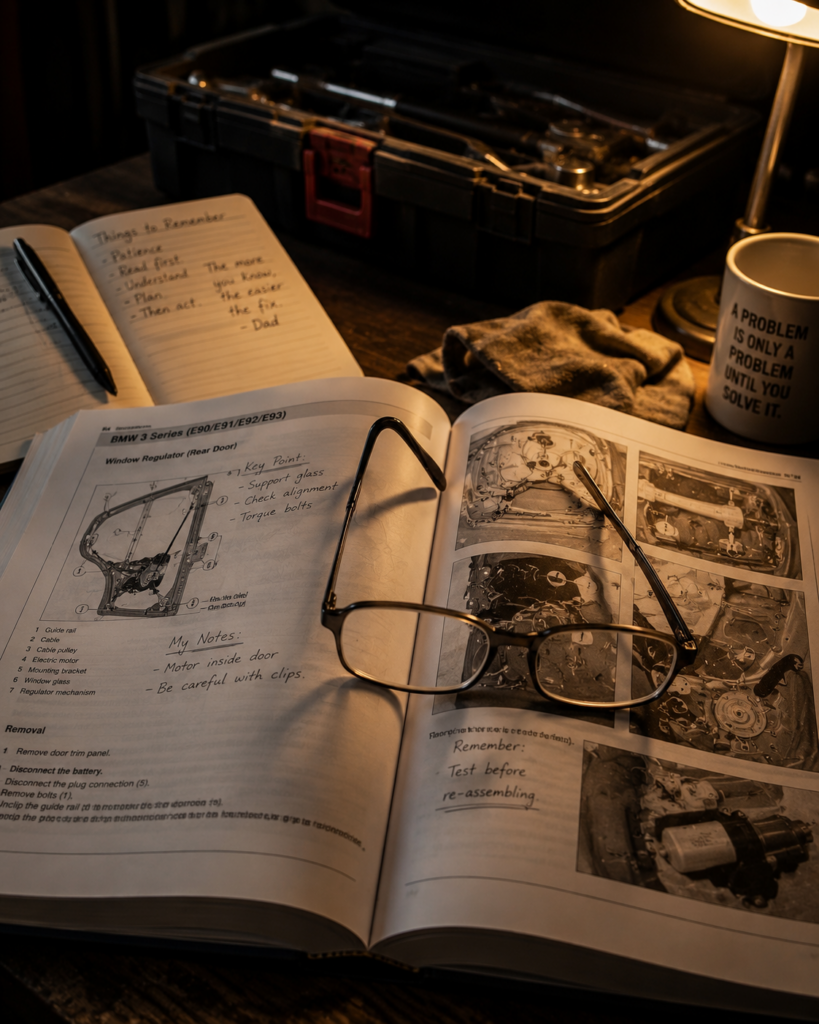
Many evenings he would sit in the living room reading for hours.
Often after watching Rhythm City and Scandal.
He would take notes while studying, and those notes still exist today.
Another thing I respected.
Another thing that made me uncomfortable.
Because he was a mirror I wasn’t ready to look at.
What My Father Passed Down Through Influence
The first influence was his authenticity.
Most people never got to see that version of him.
At home, he was simply himself.
And through that, he taught me something powerful:
True freedom is being yourself.
A freedom that cannot be taken away from you.
That’s why I decided not to keep my authenticity at home.
I chose to carry it everywhere I go, regardless of who approves, disagrees or judges.
The second influence was music and business.
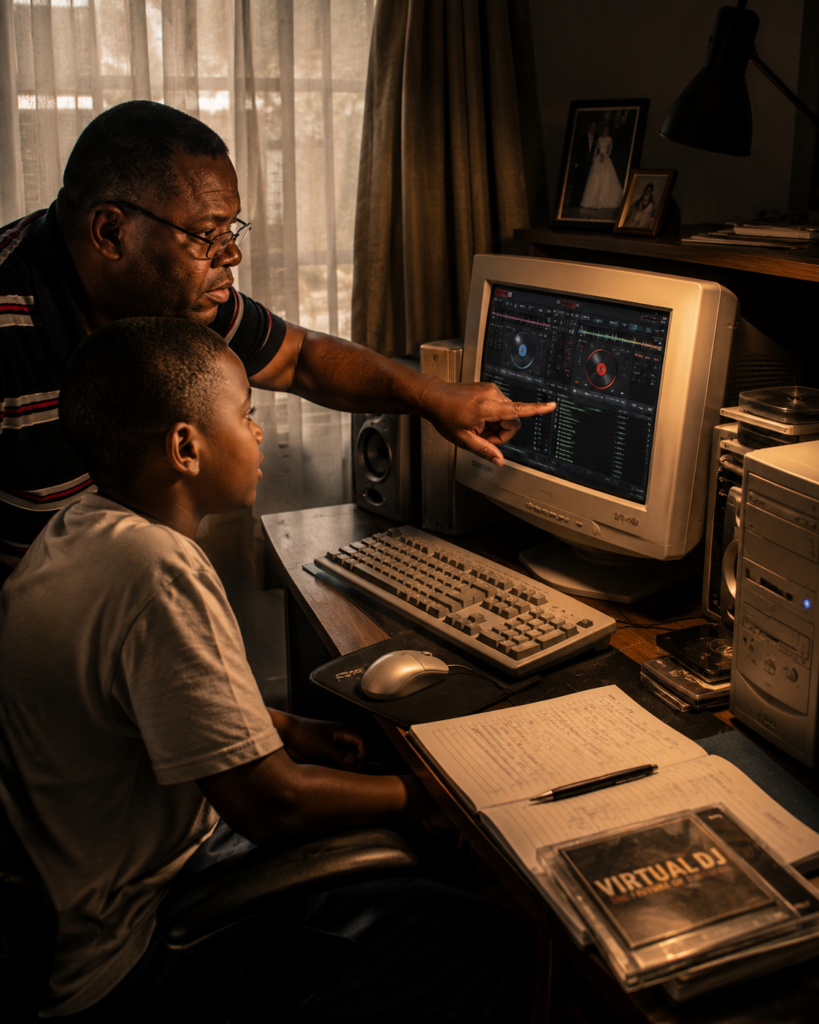
When I was in Grade 4 or Grade 5, my dad taught me how to DJ using Virtual DJ.
The same computer we used back then still exists today, running a version of Windows that came long before Windows 7.
After school, I would rush home and spend hours mixing house music.
Black Coffee.
Zakes Bantwini.
DJ Sbu.
Mi Casa.
DJ Euphonik.
Professor.
And many others.
Not only house music, but Kwaito as well.
That was where my love for music was born.
And where it quietly embedded itself into my subconscious.
The First Business Deal
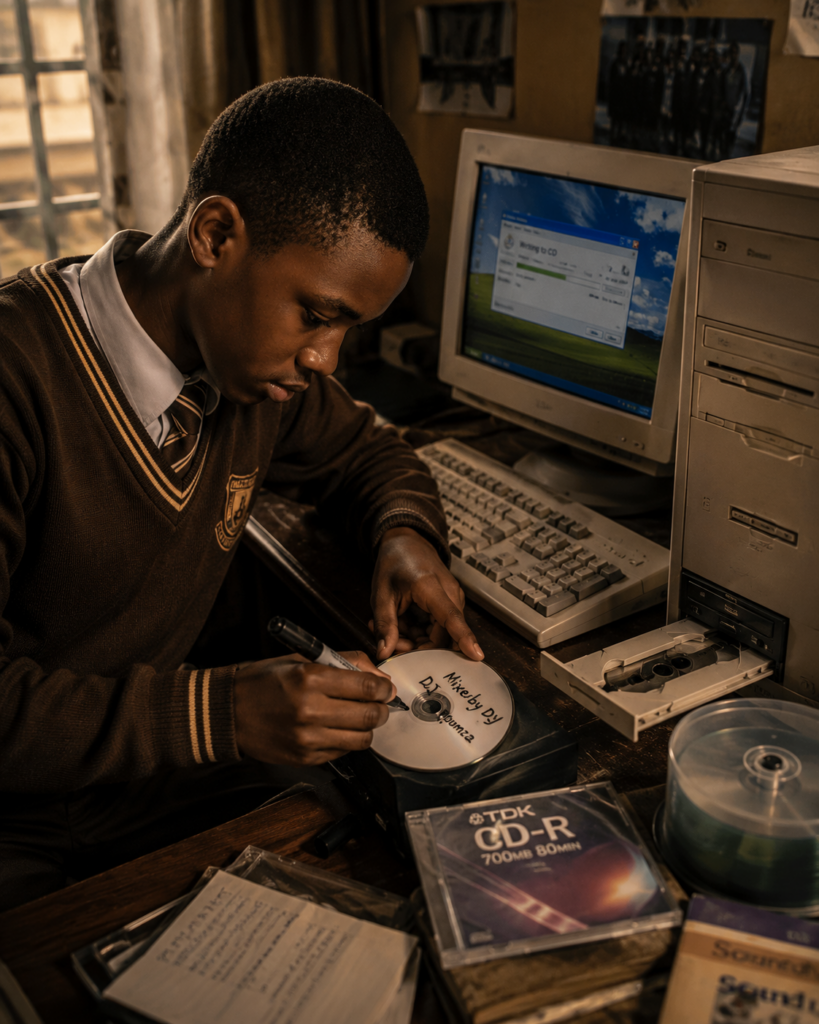
The next influence was business.
This one neither my father nor my mother realised.
To be honest, I didn’t realise it either.
The truth was hidden in plain sight.
My first business deal came from a skill my father taught me.
DJing.
My father performed under the name DJ Nino.
I performed under the name DJ Mpumza.
I had a close friend at school named Kamogelo.
One day, I told him about my DJing and how good I was getting.
He was impressed.
Then he asked me to make him a mix.
I said:
“No problem. R20.”
Back then, R20 actually had value.
He agreed.
I got to work.
I spent an hour lining up tracks, just like my dad taught me.
Because before mixing, you prepare the sequence.
Which song comes first.
Which song comes next.
What timing works best.
Then you press record.
At least that’s what was supposed to happen.
Unfortunately, I forgot to press record.
I spent two full hours mixing one of the best sets I’d ever done only to discover nothing had been recorded.
I was devastated.
Emotionally exhausted.
Frustrated.
Normally, I would have stopped there.
But somebody trusted me enough to pay.
So I started over.
Another hour preparing tracks.
Another two hours mixing.
Then I burned the CD myself, another skill my father taught me before Spotify and Apple Music existed.
I signed it exactly how he would.
Mixed by DJ Mpumza.
The following day, I delivered it exactly as promised.
And just like that…
I made my first R20.
Just like my father, I would eventually DJ at family events during December, playing music people loved instead of only playing what I loved.
The next influence was imagination.
This one happened indirectly.
Through family time.
My father loved movies.
Because of that, we loved movies too.
Growing up in Orkney, there was a movie rental shop called Staxx.
For around R20, we’d rent movies and return them the next day.
For me, those moments mattered more than most people realise.
I attended private school.
Many of my friends had money to go to the mall, play games and do things I couldn’t always afford.
But I understood something early.
My parents were already sacrificing a lot just to keep us in private school.
I never wanted to burden them by asking for money they didn’t have.
I never wanted them to feel like they weren’t already doing enough.
What made that easier was family movie nights.
Every Friday, my father would rent movies.
That became my escape.
My enjoyment.
My reward.
Those moments gave childhood its value.
They made me fall in love with storytelling.
And after every movie, I’d go straight to my room and replay the entire thing in my head.
I’d physically act out scenes for hours.
When my parents caught me, especially my dad, he probably thought I was crazy.
All he saw was me shouting:
“Shing! Shing!”
while waving my arms around.
But inside my imagination, there was an epic sword fight taking place.
Looking back now…
I think that was the beginning of my independent creative thinking.
The Hidden Insecurity My Father Passed Down
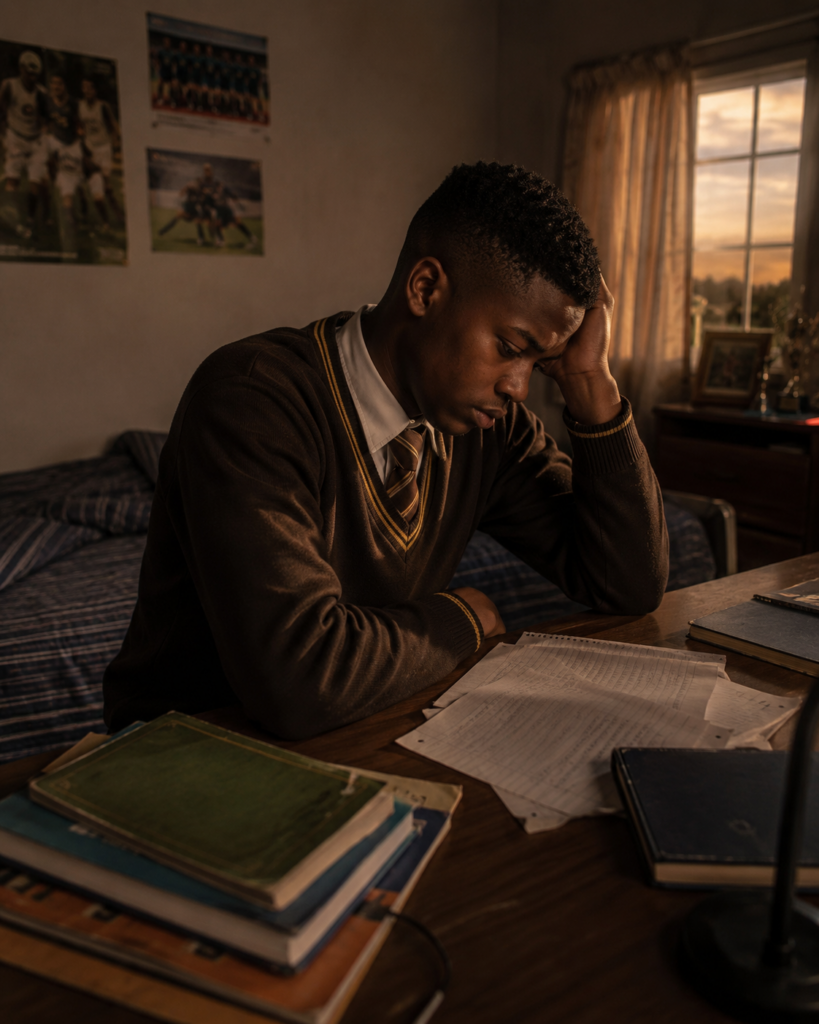
In my lifetime, I had to face parts of myself throughout my high school years that I didn’t fully understand as a young man growing up.
I carried insecurities and pressures so deep in my subconscious that, at the time, I couldn’t even see them.
They quietly colonised my thinking.
Not through noise.
Not through abuse.
But through living in my father’s shadow.
Like I said before, my father was intelligent.
And growing up, he didn’t have the same opportunities I had.
I remember him sitting me down after I got between 45% and 48% on my report.
To him, those marks were unacceptable.
Not because he hated me.
Because he came from a different world.
A world where failure had consequences.
He was raised by a single mother.
If you failed, you repeated the year.
You wore the same shoes.
You didn’t get new clothes.
Life corrected you quickly.
Meanwhile, I could fail a test while attending an expensive private school and still receive new uniforms the following year.
The strange thing is…
I understood exactly where he was coming from.
His stories touched something inside me.
Not only because they were motivating.
But because they made me compare myself to a version of him when he was my age.
And that’s where the first crack appeared.
Looking back now, I realise those comparisons were connected to something deeper. Beneath the pressure and expectations was a future I quietly wanted to reach. A version of myself I hoped to become. Long before I understood it, that future was shaping many of my decisions… explored deeper in The Promise You Forgot You Made.
The second crack appeared when I went back to my room and faced the silence by myself.
Thirty minutes in reality.
But inside that void…
it felt like hours.
I sat there replaying everything my father had said.
Digesting every word.
And that’s when my insecurities started taking shape.
My mother was intelligent.
People reminded me of it often.
She was known for her intelligence at Vaal Tech High School in Vaal Reefs.
My father was intelligent too.
My little sister was intelligent.
She brought home high marks.
And there I was.
The child who couldn’t seem to do the same.
The child who, in my young mind, brought shame to the family.
That’s how I saw it.
That’s how it felt.
For those thirty minutes, those thoughts became louder and louder until eventually my conscious mind stepped in.
Not to solve the problem.
To leave it.
I closed my bedroom door.
And disappeared into my imagination again.
The movie was finished already…
but in my head it wasn’t.
The sword fight continued.
The adventure continued.
The hero continued.
And there I was again…
recreating scene after scene for hours.
Looking back now…
I realise I wasn’t only playing.
I was leaving the void behind for a little while.
Looking back now…
I can also see that the insecurity was never really about marks alone.
It was about how a young boy interpreted strength, intelligence, expectation and identity through the lens of his father.
The deeper psychology behind that process is explored in How Your Father Shaped You.
What My Father Passed Down Through Comparison
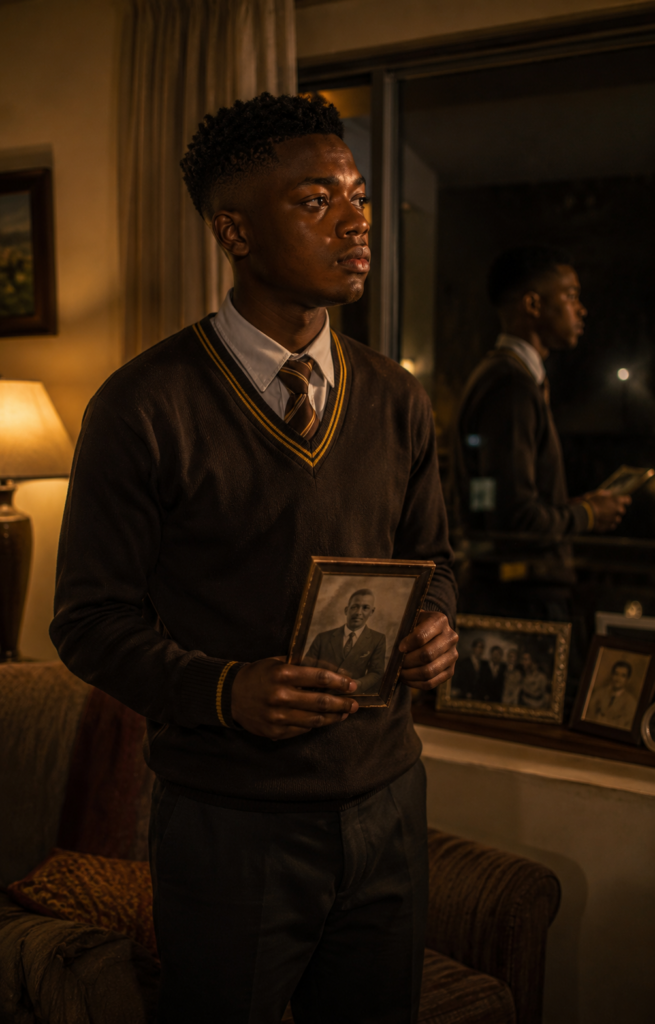
Looking back now…
the strange thing is that nobody around me knew any of this was happening.
Not my father.
Not my mother.
Not my teachers.
Not my friends.
Because from the outside…
life looked normal.
I still laughed.
Still played sport.
Still attended school.
Still showed up every day like every other child.
But internally…
something had already changed.
The comparison never fully left.
Every achievement became a measurement.
Every mistake became evidence.
Every report card became a mirror.
And the older I got…
the less I noticed it happening.
What started as admiration slowly became expectation.
Not from my father.
From myself.
Looking back now, I realise that many of the versions we eventually become are shaped long before we understand what is happening. Sometimes the people who love us begin seeing a future version of us before we can see it ourselves, and their hopes, fears and expectations quietly start shaping who we believe we need to become… explored deeper in The Version They Needed.
I wanted to be intelligent like him.
Disciplined like him.
Capable like him.
But because I was young…
I didn’t know the difference between being inspired by someone and trying to become him.
So while everybody else saw a young boy growing up…
I was quietly carrying a standard I didn’t fully understand.
A standard that followed me into classrooms.
Into friendships.
Into sport.
Into private moments when nobody else was watching.
Looking back now, I realise those influences did not exist in isolation. They followed me into new schools, new friendships and environments that looked very different from the world I knew growing up… explored further in Living Between Worlds.
The strange thing is…
I don’t blame my father for any of it.
Because the truth is…
he never asked me to become him.
He was simply being himself.
And somewhere along the way…
a young boy mistook admiration for comparison.
Looking back now…
I think that’s where the weight really began.
The Void My Father Passed Down
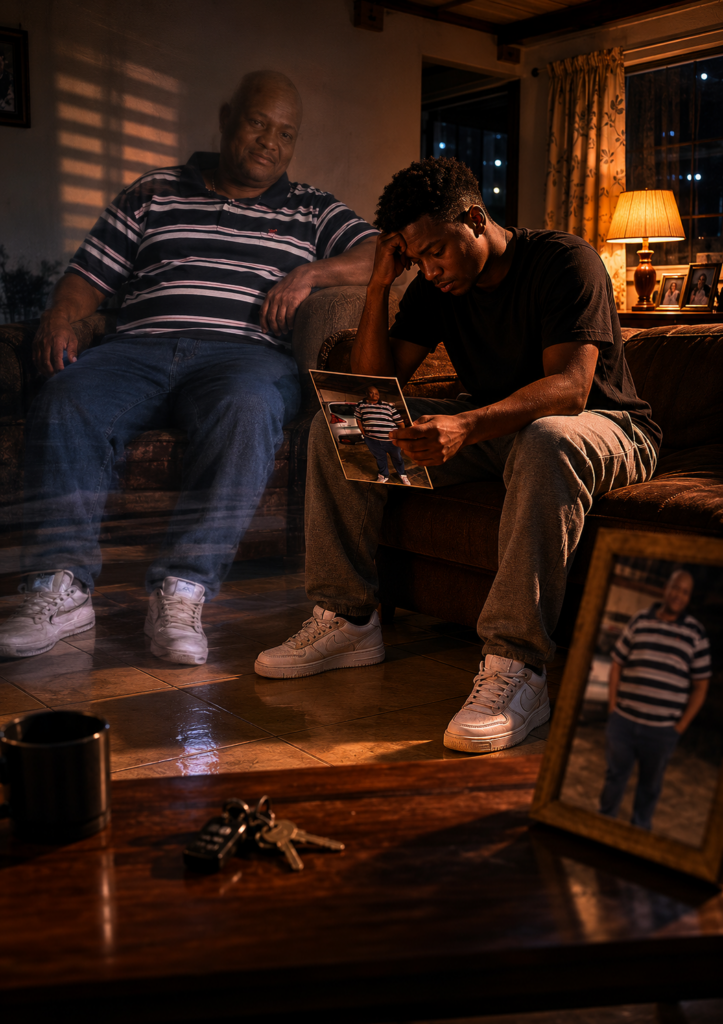
Looking back now…
I don’t think my father ever realised how much of himself he left behind inside me.
Not through speeches.
Not through lectures.
Not through advice.
Through observation.
Through example.
Through ordinary moments that felt ordinary at the time.
The reading glasses.
The toolbox.
The notes in the living room.
The DJ mixes.
The movie nights.
The bad dance moves.
The authenticity.
The independence.
The willingness to figure things out for himself.
Those things became part of me long before I understood they were becoming part of me.
And maybe that’s why this article was never really about what my father taught me.
It was about what my father passed down without permission.
Some of it arrived as strength.
Some of it arrived as responsibility.
And some of it arrived as questions I would spend years trying to answer.
Some of it became strength.
Some of it became insecurity.
Some of it became responsibility.
And some of it became a void.
A void neither him nor my mother could see while it was forming.
Because parents are human.
They build.
They sacrifice.
They protect.
But sometimes…
without meaning to…
they also leave questions behind.
Questions their children spend years trying to answer.
My mother gave me sacrifice.
My father gave me independence.
My mother built the foundation.
My father taught me how to build on it.
And somewhere between those two worlds…
a young boy was trying to figure out who he was supposed to become.
Looking back now, what my father passed down was never just advice, discipline or lessons. Some of it became strength. Some of it became independence. Some of it became creativity. And some of it became questions I would spend years trying to answer on my own.
Conclusion: What My Father Passed Down
The truth is…
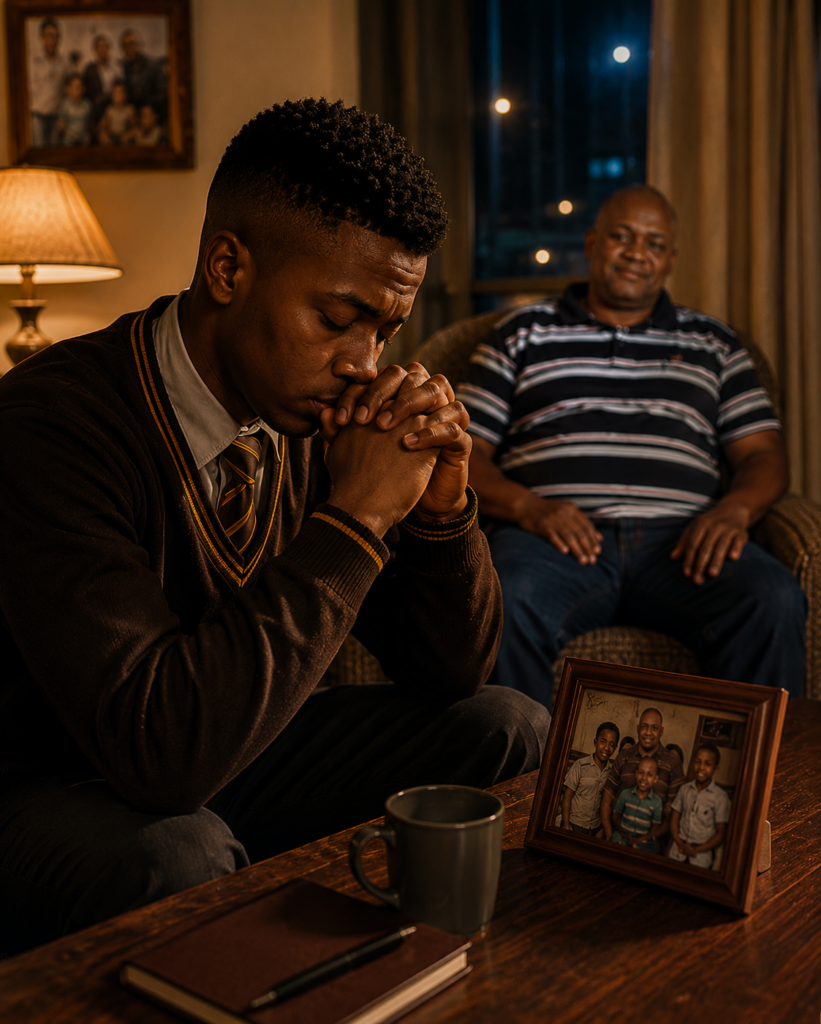
I understand my father far more today than I did when he was sitting in the living room reading those manuals.
Far more than I did when he was fixing cars.
Far more than I did when he was telling me that 45% wasn’t good enough.
Because today…
I can finally see the man behind the lessons.
And maybe that’s enough for now.
Looking back now, I realise understanding what my father passed down also required me to look beyond what he gave me. Behind the lessons, the problem-solving, the responsibility and the man I knew simply as Father was another person carrying his own pressures, sacrifices and parts of himself nobody around him may have fully noticed. Sometimes understanding what a father leaves inside his children begins by asking who the man was before everyone needed him to be Father… explored deeper in The Man Behind Father.
The rest of the story…
the insecurities…
the pressure…
the void itself…
belongs to another chapter.
Because eventually…
there comes a moment when those inherited questions stop hiding in the background.
A moment where you begin noticing what has been shaping you all along.
Locate this paragraph:
Looking back now, I realise understanding where those influences came from wasn’t the end of the journey. It was only the beginning. The deeper challenge was admitting that, beneath those inherited beliefs, expectations and identities, part of me had already recognised the truth long before I was willing to face it… explored deeper in The Truth You Already Knew.
Looking back now, I realise that recognising those inherited influences was only the beginning. Even after becoming aware of them, another pattern quietly remained. I still believed I needed the right moment, enough certainty or someone else’s approval before I could fully become myself… explored deeper in Waiting For Permission.
That journey begins in The Version That Started Noticing.
For now…
I simply wanted to remember my father.
Not as a perfect man.
Not as a broken man.
Just as my father.
And that is enough.
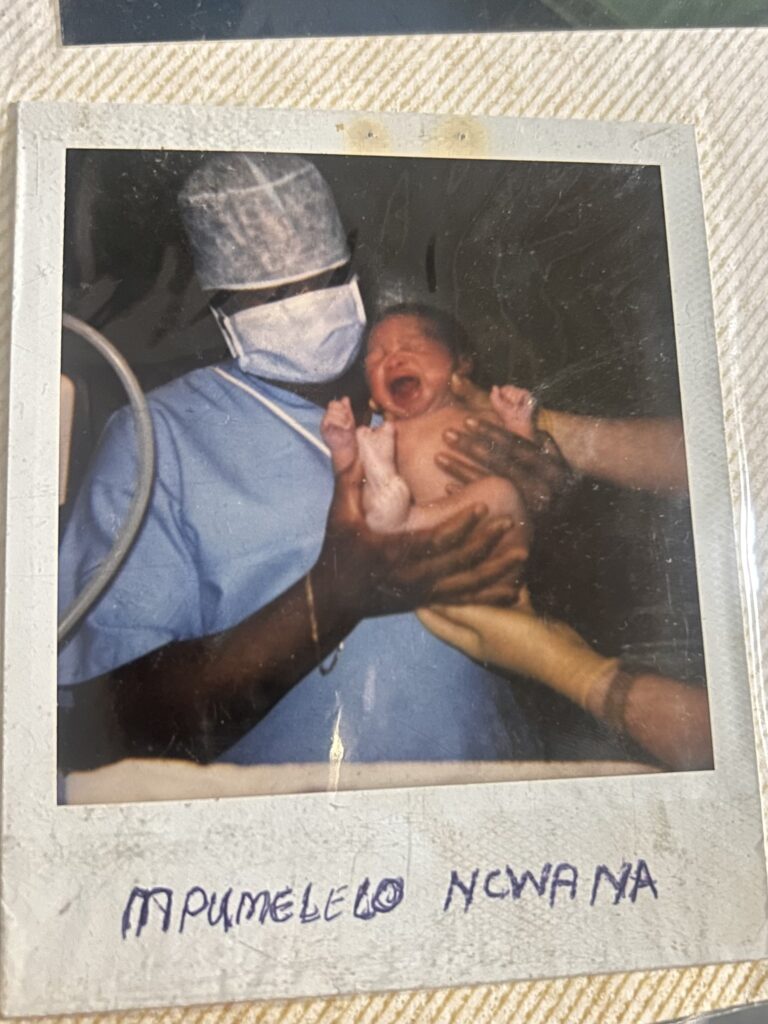
Mpumelelo Ncwana explores the moments, memories, and experiences that quietly shape who we become.