
The Child Who Watched
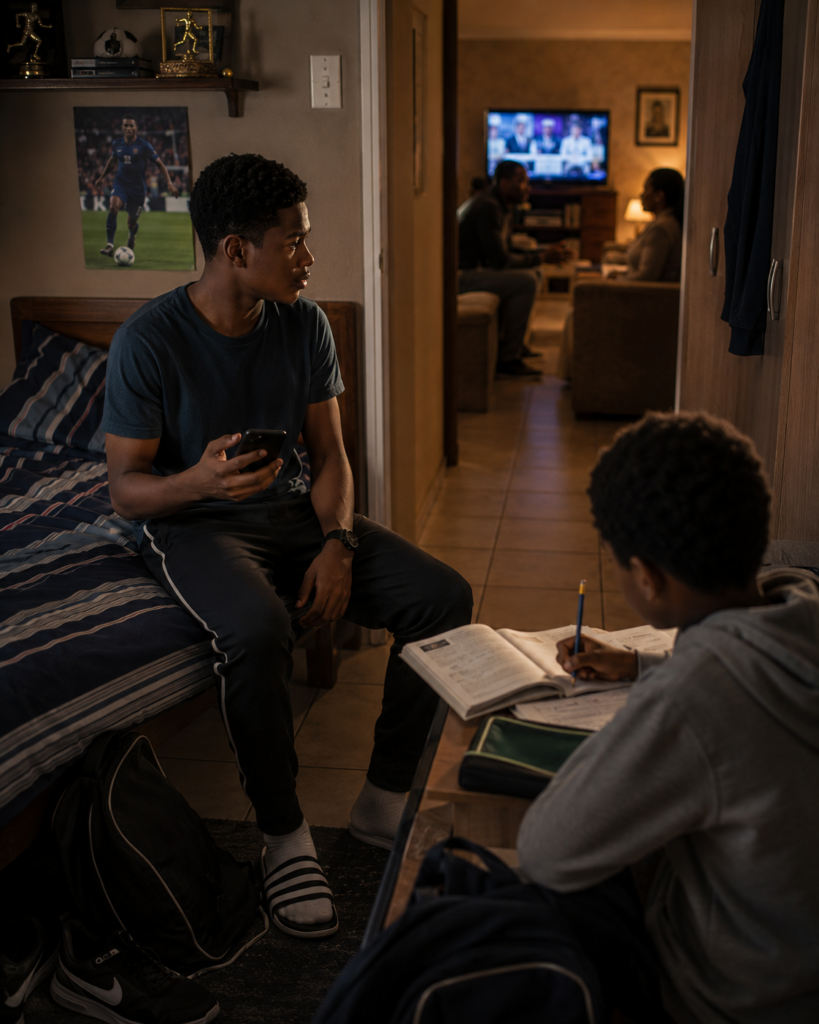
The child who watched went to school every morning.
They received above average grades.
Not the smartest in the class.
Not failing either.
Just scoring enough to guarantee a place in the next grade the following year.
After school, as usual, the child played sport.
Then returned home late in the afternoon, about an hour before evening settled over the house.
They changed out of their school clothes, then helped the younger sibling complete their homework.
Watching those innocent eyes quietly navigate another year of primary school.
As the night deepened, the child lay on their bed with a phone in their hands.
Building the foundation of a new relationship with someone from school.
The conversation flowed naturally.
Until something inside them broke the trance.
The phone screen went dark.
The child remained still.
Listening.
Their eyes closed, but their attention moved towards the rest of the house.
Then the first sign appeared.
Usually, while the television played, the people watching it barely spoke.
Maybe one short comment.
Maybe a quick laugh.
Then silence again.
But tonight, the conversation did not end.
The voices continued.
Each one trying to finish before the other.
Then the second sign appeared.
The voices became louder.
Not because anybody was far away.
Because everyone in the room was beginning to compete for the right to speak.
The child opened their eyes.
The younger sibling was still sitting nearby, unaware that the room had already begun changing.
And before anyone called their name, the child had already put the phone down.
Before Anyone Said Anything
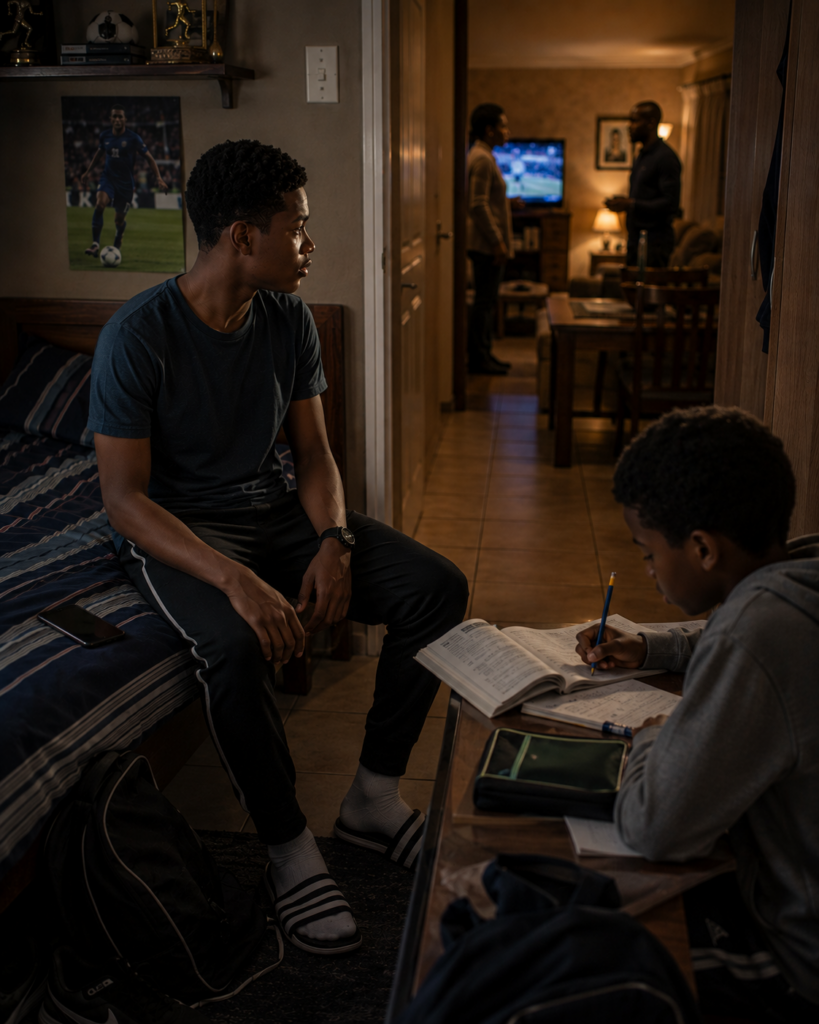
Before anyone explained anything, the child who watched had already moved into position.
The message they were typing remained unfinished.
On the other side of the phone, the person they had been speaking to only saw:
Typing…
Then nothing.
Looking back now, I realise the child wasn’t consciously choosing between the phone and the house. The decision had already been made somewhere deeper. The body simply moved towards what felt most important to protect… explored deeper in The Truth You Already Knew.
A few seconds passed.
Then minutes.
A message appeared.
“???”
Silence.
A few more minutes passed.
Then one final message arrived.
“Why are you ignoring me?”
“Don’t you care anymore?”
But by then, the distance between the child and the phone had already stretched.
The new relationship waiting on the screen quietly went cold.
On the other side of the house, the two voices continued competing for space.
Neither noticed the child watching.
They had become too caught inside the moment.
The younger sibling approached quietly, then moved into the familiar position beside them.
No questions.
No instructions.
They simply stood there, watching.
Right on time, the signs returned.
One voice turned away.
The other continued speaking.
The silence seemed to make the words louder.
Then it happened again.
Fifteen minutes passed.
But to the child who watched, and the younger sibling standing beside them, the night felt as though it had stopped moving.
Where the Child Who Watched Learned to Stand
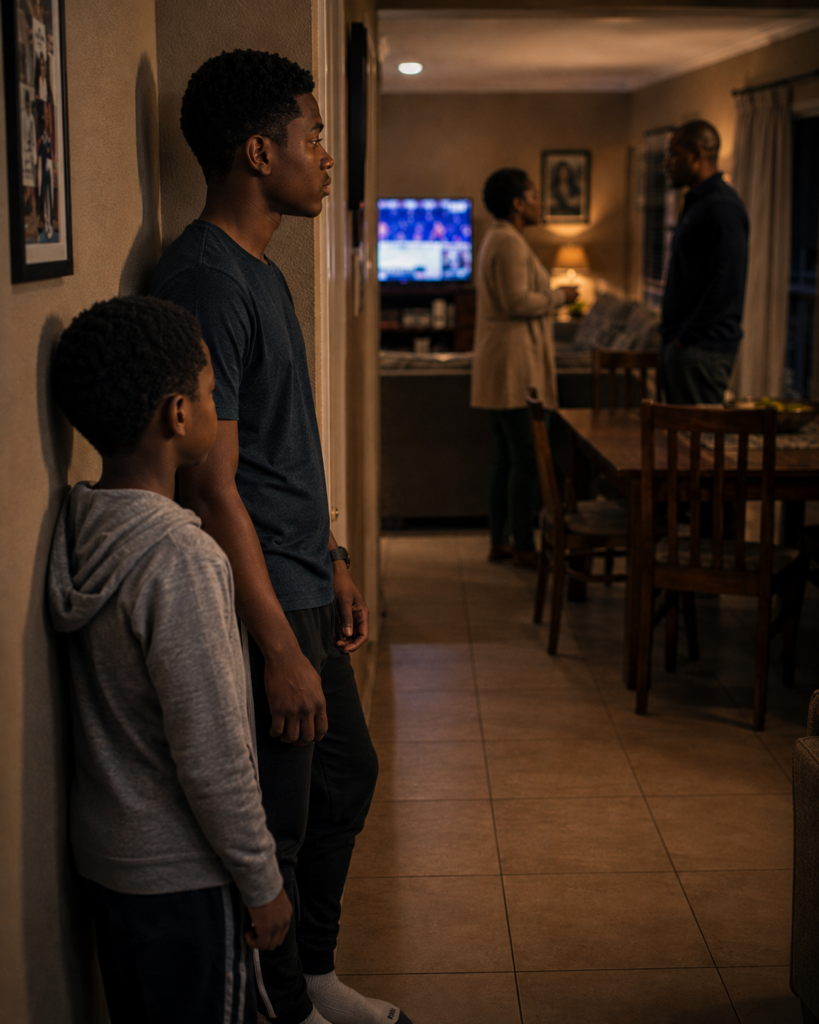
Where the child learned to stand became their final destination.
They remained glued to one position.
Looking back now, I realise standing still wasn’t always about fear. Sometimes it was the beginning of waiting. Waiting for the room to settle. Waiting for permission to move. Waiting until it finally felt safe again… explored deeper in Waiting For Permission.
Something inside them warned that one step forward might make everything worse.
So the child stayed there, asking questions that had no answers.
The younger sibling did what they always did when the house could no longer hold itself together.
They stood up, and ran into the room.
Furniture had been moved out of place.
Broken glass covered parts of the floor.
The moment the younger sibling entered, the voices stopped.
The loudest person left the room.
Their footsteps moved through the cold summer passage.
And before their location could be exposed, the child quietly retreated into the bedroom.
Automatically.
As though the body had made the decision before the mind could.
They climbed into bed, pulled the blanket over themselves, and left the phone untouched.
Then silence filled the house again.
The only sound came from water hitting the bottom of the sink.
No words.
Just silence.
Under the blanket, the child replayed the entire scene.
Again.
Then again.
As though it were the first time they had ever seen it.
Each time the memory returned, one thought followed it.
It should have been me.
I should have been the one who ran into that room.
But somewhere inside the house, everybody already knew something else.
Had it been the child who entered, the room might not have gone quiet.
It might have become louder.
And perhaps that was the crack that deepened inside them.
Not only that they had watched.
But that when the moment came, the younger sibling had moved, while they remained exactly where the house had taught them to stand.
The Morning That Looked Normal
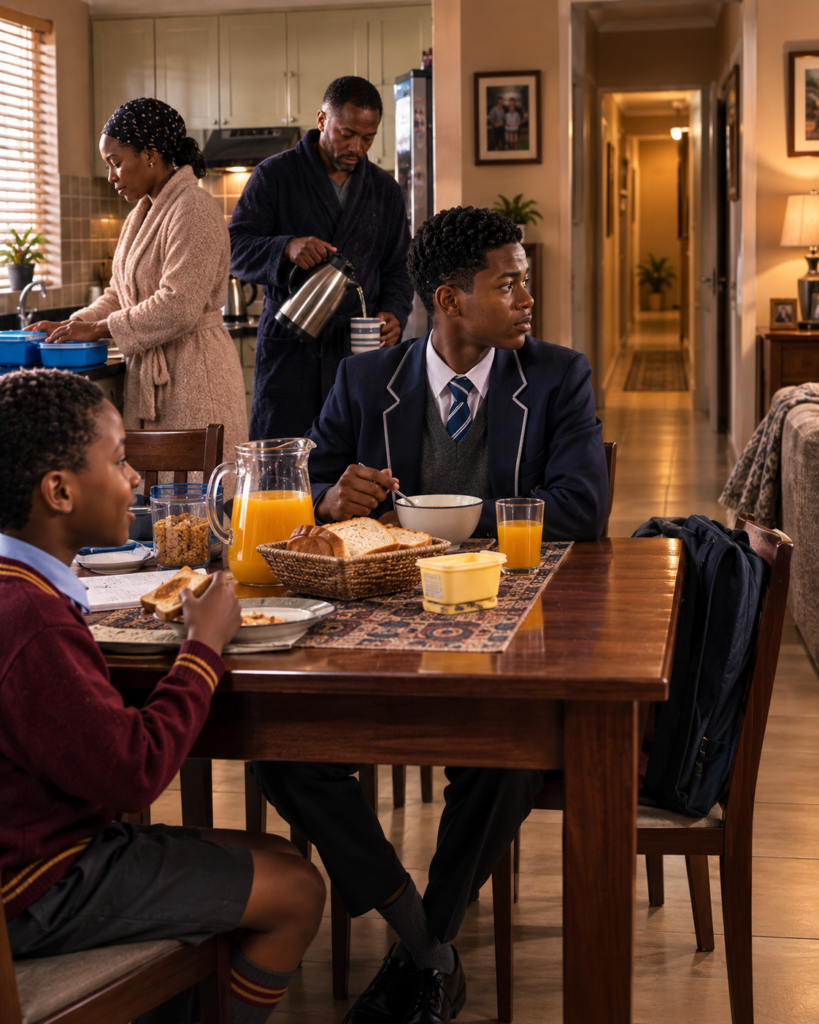
The following morning, the child who watched did what they normally did.
Music played while they bathed.
They prepared themselves for another day.
But as their body stood beneath the water, something about the beat sounded different.
The voice behind the song felt closer.
Almost too close to home.
The child had listened to it many times before.
But this morning, the music had turned into a mirror.
Someone from the other side of the world was describing something happening inside their own house.
Almost as though the person behind the song had been there the night before.
After bathing, the child tried not to cross paths with anyone.
Still, nothing inside the house seemed unusual.
Greetings returned.
“Good morning.”
The same voices.
The same rooms.
The same people moving towards another day.
The child sent the usual morning messages from their phone, then left the house.
Outside, they waited for the taxi that would take them to school.
The gate closed behind them.
And for a moment, the house looked normal again.
At school, the noise around friends made the night before feel further away.
Laughter returned.
Conversations moved.
For a while, the child almost forgot.
Then the classroom became quiet.
The teacher continued with the lesson.
Chalk moved across the board.
Pages turned.
And inside that silence, the memory returned.
The voices.
The room.
The younger sibling moving before they did.
Then one question entered.
Will it happen again tonight?
The teacher looked across the classroom and noticed the child was no longer paying attention.
Their name was called.
A question was asked in front of everyone.
Not because the teacher understood what had happened.
Because from where the teacher stood, the child simply looked distracted.
After school, sport returned the child to motion.
Running.
Turning.
Breathing.
Keeping up with the game.
For those few moments, there was no house to listen to.
No passage to watch.
No voices competing through the walls.
Only the game.
Until the final whistle sounded, and it was time to go home again.
Waiting Inside the Good Days
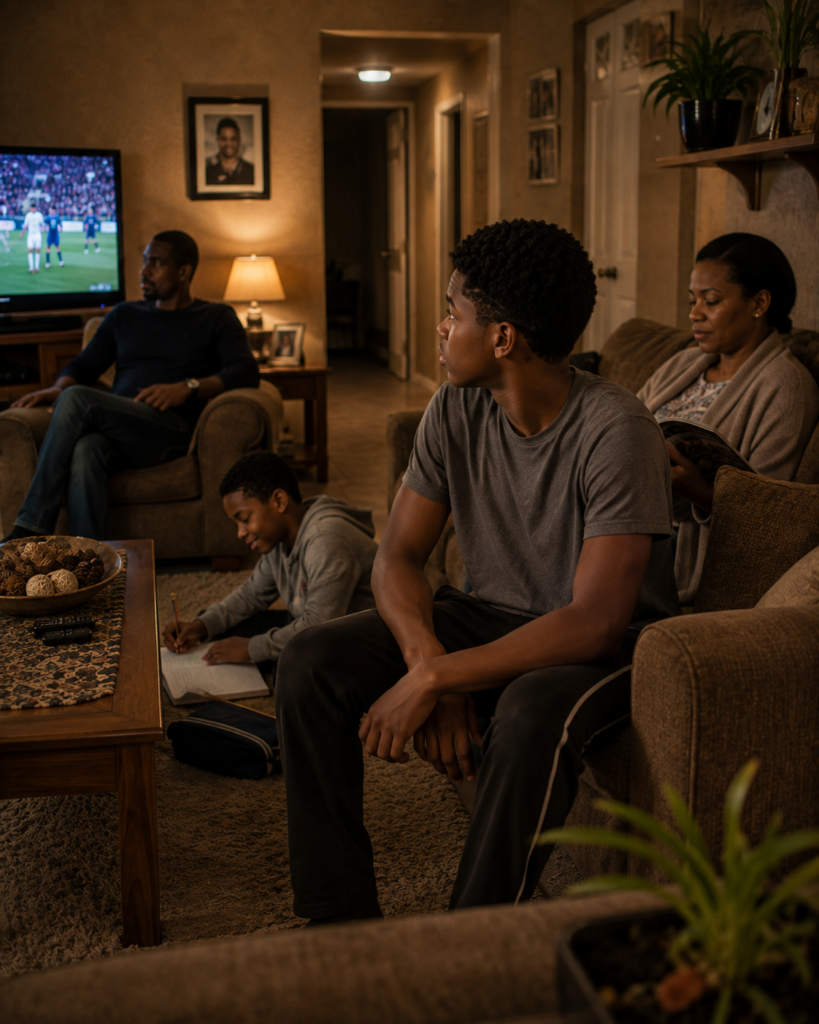
Waiting inside the good days felt different to the child who watched.
The house had settled again.
After sport, they returned home to find someone preparing supper.
Another person sat watching the news, complaining about the political party they had voted for while somehow still defending it.
The younger sibling completed their homework as usual.
Everything looked normal.
Everyone communicated as though what had happened days before had never happened.
Almost as though the house absorbed everything like a sponge, then continued living.
But to the child who watched, normal had started feeling heavy.
They listened to every sound entering the house.
The way keys were placed on the table after work.
The way people greeted one another.
Whether the conversation was only about what played on television, or whether something else was slowly entering the room.
The more normal everything appeared, the more closely the child listened.
Looking back now, I realise a child can begin noticing change even when nothing dramatic happens inside the room. Sometimes it is the empty chair. The dinner that starts without Father. The phone call that goes unanswered. The explanation everyone accepts before another evening quietly follows the same pattern. Eventually, the child may begin noticing not only what happens when Father comes home… but what changes when he doesn’t… explored deeper in The Place Father Kept Returning.
If a glass broke, their fingers stopped typing.
They waited.
Only for a few seconds.
Long enough to hear whether it had been an accident, or the beginning of something else.
From the outside, the child’s life remained normal.
They chatted with friends.
Completed homework.
Returned from sport.
Laughed when something was funny.
All while quietly scanning the house.
Sometimes, the younger sibling did the same.
Whenever something felt slightly different, they would leave what they were doing and walk into the room where the adults were speaking.
Not asking questions.
Not interrupting.
Just appearing, as though their presence could help them understand whether the house was still safe.
And on the genuinely good evenings, supper was shared.
People laughed.
Nothing broke.
Nobody raised their voice.
Yet when the child finally climbed into bed, sleep did not arrive immediately.
They listened.
Not because something had started.
Because nothing had started yet.
The Lesson That Followed
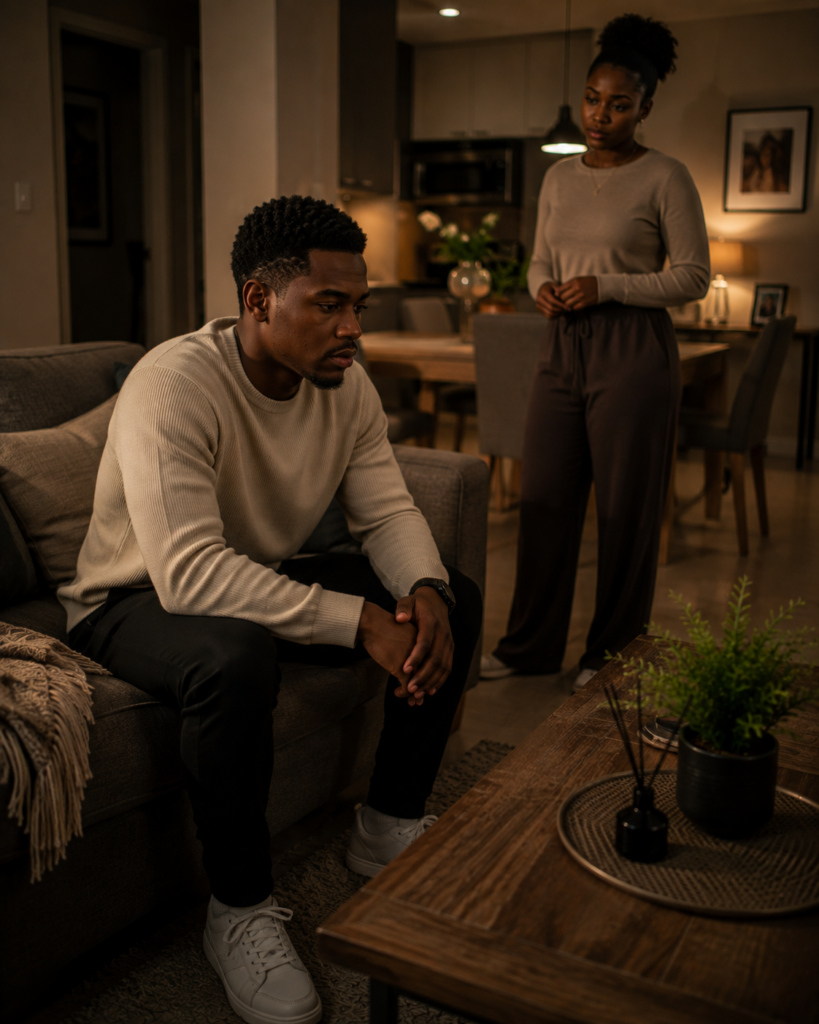
Years passed.
The child who watched slowly became a young adult.
But the position they had learnt inside that house followed them into relationships of their own.
It was not obvious.
It remained quiet.
Almost as though it had spent years watching from somewhere inside them, waiting for the right moment to reveal that it had never left.
During their final years of school, the young man made himself a promise.
The things he had witnessed as a child would never enter the relationships he built.
He would never become the voice that changed the room.
Never become the person people watched through the passage.
Looking back now, I realise another quiet fear had already formed. Somewhere inside me I had started believing love meant protecting everyone else before protecting myself. I didn’t realise it then, but that lesson slowly became something I carried into relationships for years… explored deeper in The Love You Started Performing.
Never make someone else learn where to stand.
For a while, the promise felt easy to keep.
Then life stopped moving according to plan.
Maybe trust suddenly felt uncertain.
Maybe a smile exchanged across a room appeared to carry more than it should.
Maybe an ordinary conversation became harder to control.
Voices rose.
The room changed.
And before the young man fully understood what was happening, something he had spent years watching moved through him.
The same reaction.
The same loss of control.
Looking back now, I realise that moment wasn’t only repeating behaviour. It revealed how the body quietly carries lessons long after childhood ends. I didn’t recognise it then, but the child who learned where to stand had slowly become the adult who no longer questioned those reactions… explored deeper in Why You Stay Stuck Unaware.
Looking back now, I realise those reactions weren’t appearing from nowhere. Psychology has long recognised that children can carry patterns learned through repeated exposure into adulthood, even when they consciously reject those behaviours. Research on observational learning explains how behaviours witnessed repeatedly during childhood can quietly become internal templates that later influence emotional and interpersonal responses… explored further in research on observational learning and social learning theory.
The same atmosphere entering another room under a different roof.
Then silence returned.
And inside that silence, regret appeared.
The same regret he had watched on someone else’s face for years.
Only this time, it was living on his.
Looking back now, I realise the child who watched could only see what Father brought into the room. They could see the harder voice, the silence, the reaction and the atmosphere changing around him. What they could not see were the moments that may have happened before Father came home… the conversations, comparisons and private questions that followed him through the gate. Sometimes a child experiences the consequence of something they were never present to witness… explored deeper in The Day Father Had No Answer.
Looking back now, perhaps that was another part of the cost I had never considered. When so much of yourself becomes attached to the people, roles and life you spent years building, losing any part of that life may feel like losing more than what disappeared. Sometimes what remains standing afterwards is the harder question… how much of the person you became had been built around everything you thought would always be there?… explored deeper in The Man Who Lost Everything.
An uncomfortable question emerged.
Not loudly.
Almost like a statement he was afraid to finish.
“Am I just like them?”
The people he had spent years questioning.
The people he had promised never to become.
No answer arrived.
Only a heavy silence, and the distance between the person he believed he was and the person who had just entered the room.
Conclusion: The Child Who Watched
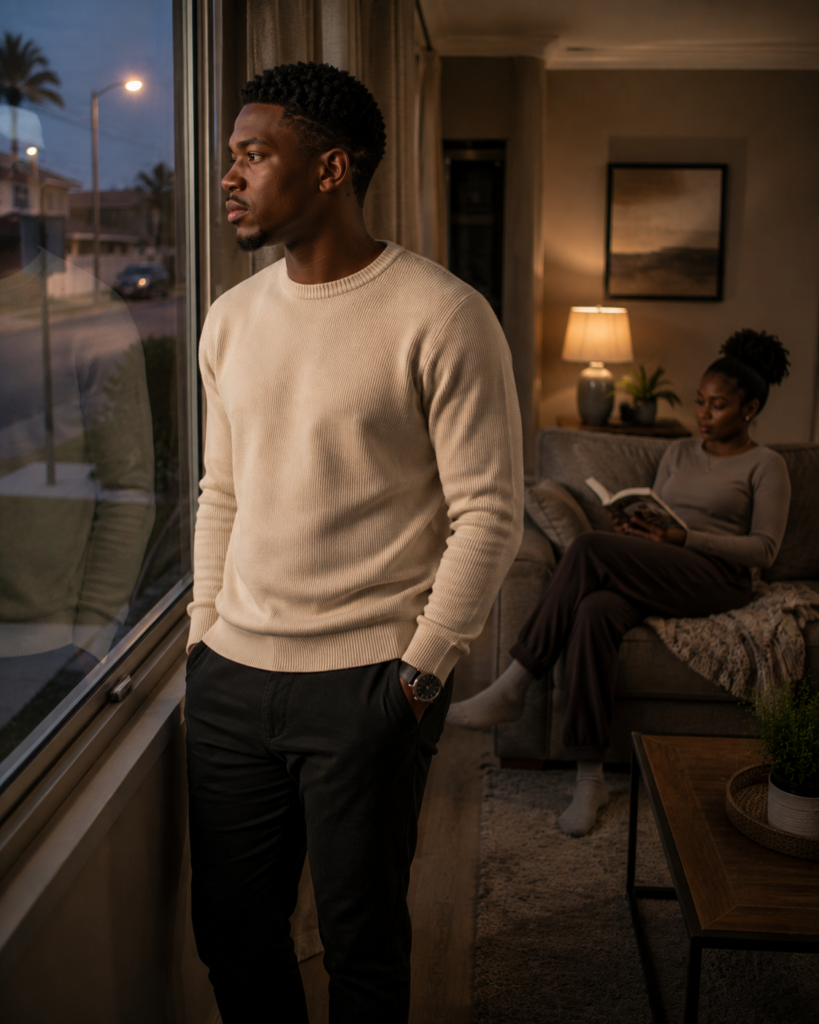
Maybe that was the part nobody inside the house ever noticed.
The child did not need to understand every word.
They did not need to know what started it.
Who was right.
Who was wrong.
Why the voices changed.
Why the furniture moved.
Why the following morning looked untouched.
They only needed to watch it happen enough times.
Because repetition has a strange way of becoming a teacher, even when nobody agrees to become the student.
The child learnt which sounds mattered.
Which footsteps changed the room.
When to put the phone down.
When to move closer.
When to remain still.
Looking back now, I realise those positions never completely disappeared. They quietly followed me into adulthood until I finally started recognising the person they had slowly created… explored deeper in The Person You Keep Becoming.
When to protect the younger one.
When to pretend they had heard nothing.
Then morning arrived, and the same house taught another lesson.
Get dressed.
Go to school.
Greet everyone.
Continue.
Nothing had to be explained.
The child had already learnt what came after.
Years passed.
The house became a memory.
The passage no longer stood in front of them.
The television belonged to another room.
The voices came from different people.
But when the atmosphere changed, their body still remembered where to stand.
Looking back now, I realise another promise had quietly disappeared beneath those reactions. The child who once believed life could become something different slowly stopped listening to the future they had imagined for themselves… explored deeper in The Promise You Forgot You Made.
And perhaps that was the lesson that followed.
Not only how to watch what was happening.
But how love was expected to feel while it happened.
Maybe the adults were right.
Looking back now, I realise the child wasn’t only learning where to stand inside the house. They were quietly learning which version of themselves felt safest to become. Years later, those same lessons continued shaping how they behaved around other people without ever announcing themselves… explored deeper in The Version They Needed.
Maybe the child was too young to understand.
Too young to understand the reasons.
Too young to understand the promises.
Too young to understand why everything kept returning.
But understanding is not always made from words.
Sometimes, it is made from the position your body takes before anybody tells you to move.
And maybe the real question was never whether the child understood what happened.
Maybe it was:
What had the child already learnt by the time the adults believed everything was normal again?
Mpumelelo Ncwana writes about the psychology behind decisions, identity, and the systems that shape behaviour.
[…] Looking back now, perhaps the child had already learnt that watching and speaking were two different things. She could see Mother calling. She knew what had appeared on Father’s phone. Yet knowing something did not automatically mean knowing what to do with it. Sometimes a child notices what is changing inside a house long before anyone asks what they have seen… explored deeper in The Child Who Watched. […]