
The Problem We Think We Have
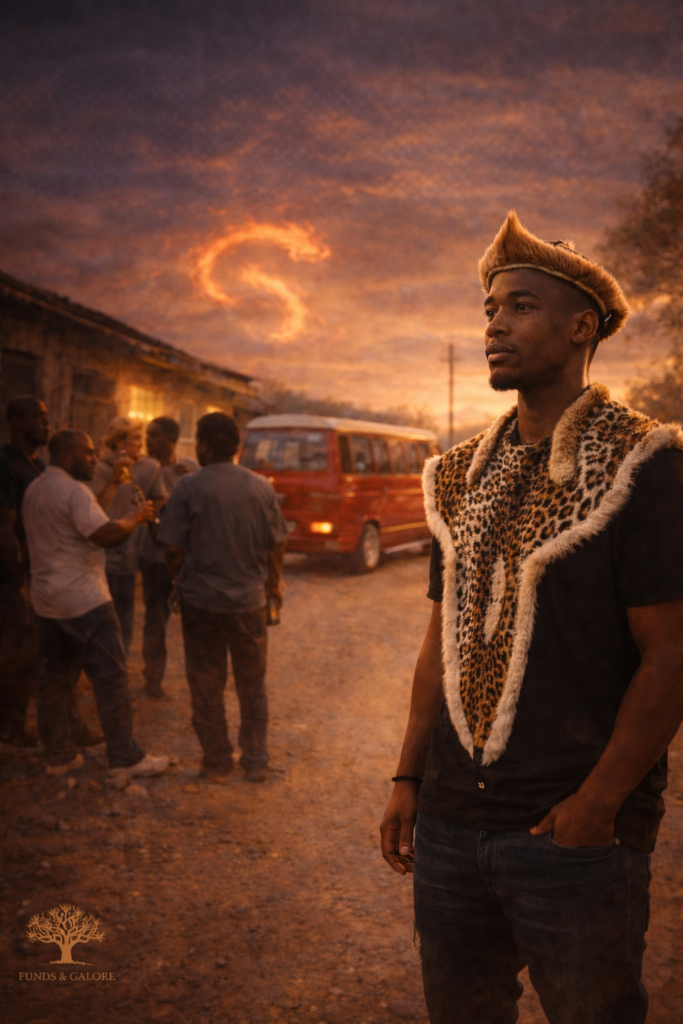
We Don’t Have a Money Problem: Mzansi… when you listen to everyday conversations, one thing becomes clear.
We believe we have a money problem.
We see it in the rising cost of food… petrol… rent… unemployment.
We feel it in our homes, in taxis, in WhatsApp groups.
And on the surface… it makes sense.
Because life is expensive.
But the more I started observing our country… the more I realised something didn’t fully add up.
South Africa is not a country without resources.
We have one of the most extensive railway networks in Africa… covering over 20 000km and connecting major cities, industrial hubs, mining regions and ports.
Our financial sector is among the most sophisticated on the continent… with the JSE ranking among the top 20 globally by market capitalisation.
Our banking system is recognised as one of the strongest in the world.
And our natural resources are abundant.
So the question becomes:
If a country with this level of infrastructure, financial strength, and resources is still facing the same struggles…
Is money really the problem?
The Pattern Beneath the Complaints
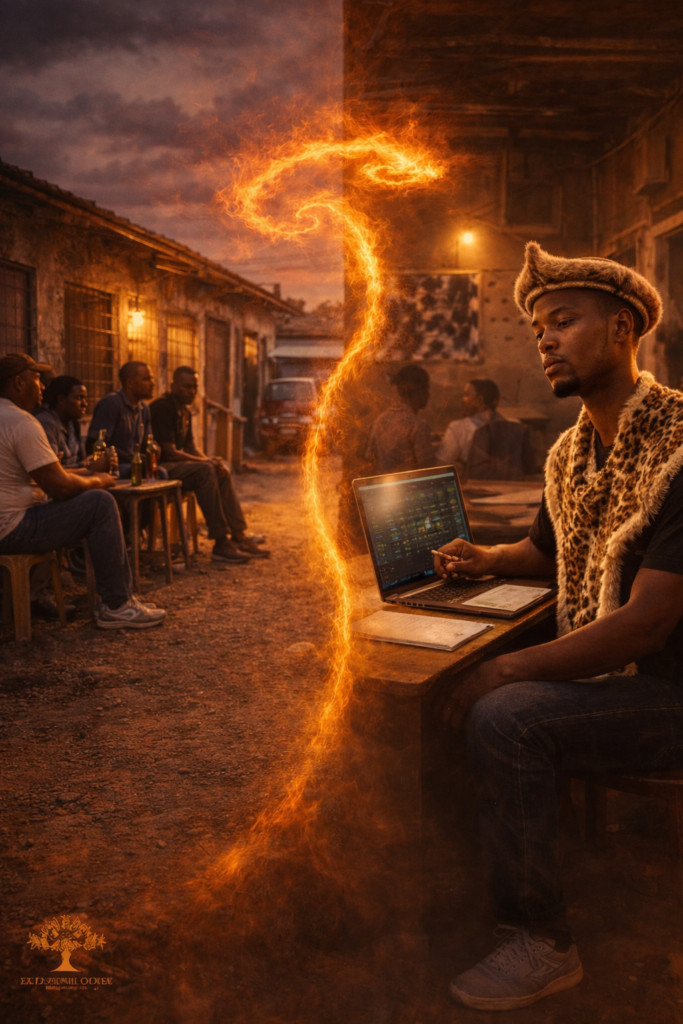
To my South African brothers, sisters, uncles, mothers and fathers…
When I started trying to understand the problems we face as a nation, I stopped looking only at what was visible.
I started looking for patterns.
Because patterns don’t lie… something I began to understand deeply in The Turning Point: The Month That Ended My University Education.
And what I began to notice was uncomfortable.
The same stories repeating…
the same complaints…
the same frustrations about money…
But very little change in behaviour.
I started seeing that in some cases, it wasn’t just about a lack of resources.
It was about a lack of direction.
Because when energy is not directed toward building… it doesn’t disappear.
It gets redirected.
Sometimes into distraction.
Sometimes into constant talking.
Sometimes into observing others instead of developing self.
And over time, that becomes a pattern.
A pattern where movement feels like progress…
but nothing is actually being built.
I also noticed something deeper.
When a person goes too long without a sense of purpose… something begins to shift inside them.
Not always in a visible way.
But in a way that slowly turns energy away from creation… and toward reaction.
And that reaction doesn’t stay contained.
It spreads.
Into families…
into communities…
into the way we speak, think, and respond to each other.
You begin to see it in small ways.
The person who speaks the most… but builds the least.
The environment where effort is questioned… but stagnation is normalised.
And over time, these patterns don’t just affect individuals.
They shape generations.
Because what is repeated long enough… becomes normal.
And what becomes normal… gets passed down.
So when we look at rising frustration, division, lack of direction, and the slow erosion of discipline in some environments…
We have to ask a difficult question.
Is this only about money?
Or is there something deeper happening beneath the surface?
The Thinking Problem (Not Money)
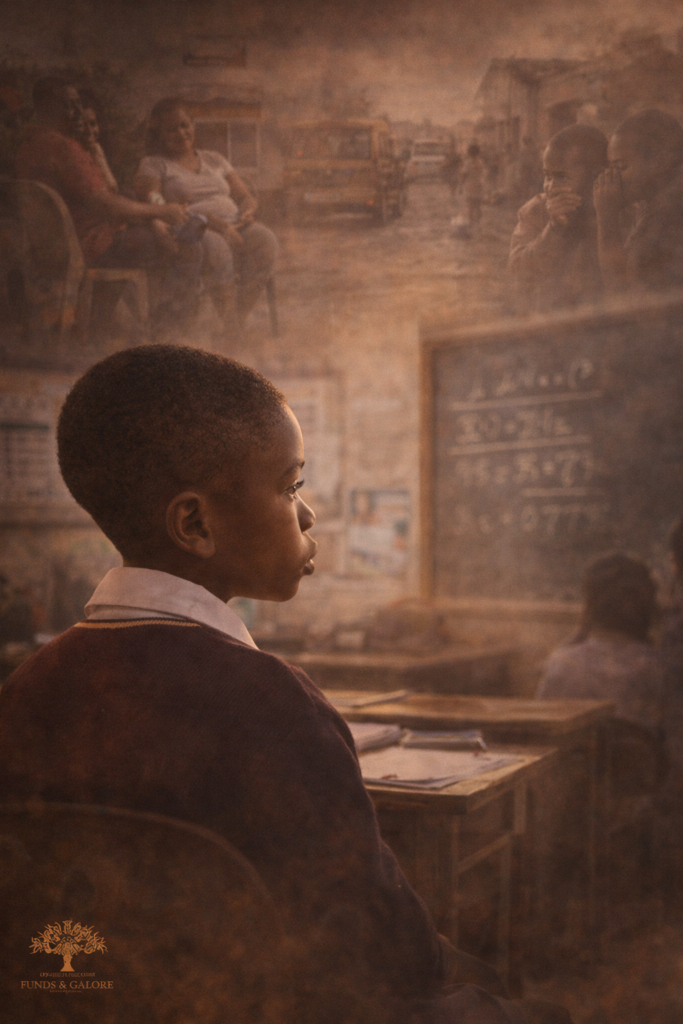
As I continued to reflect on everything I had observed… and everything I had experienced… one thing became clear.
Money is not the only thing shaping our outcomes.
Thinking is.
Because money, by itself, does not create direction.
It only amplifies what is already there.
If there is no structure in how a person thinks… money will not fix that.
If there is no discipline… money will not sustain itself.
If there is no vision… money will not know where to go.
And that is where the real problem begins.
Not in the absence of money…
but in the absence of structured thinking.
We Don’t Have a Money Problem… We Have a Thinking Problem in Practice
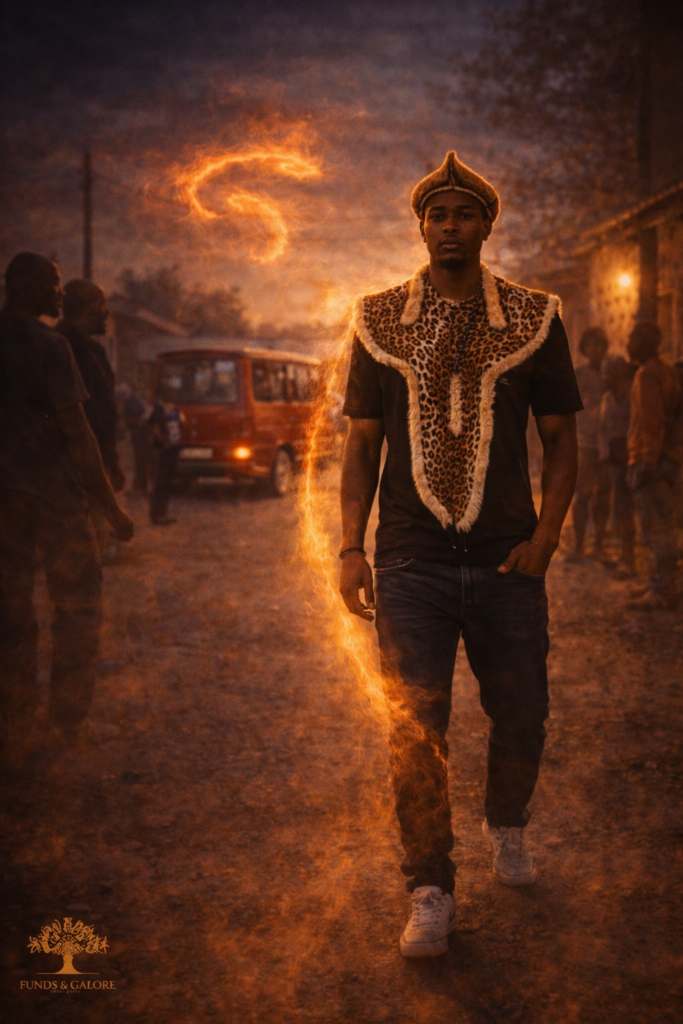
I started noticing how easy it is to react under pressure.
How natural it feels to choose short-term relief over long-term positioning.
How common it is to move without a system… and then wonder why results don’t last.
And I realised something important.
Most people are not lacking intelligence.
They are lacking a framework.
A way of thinking that allows them to:
• pause before reacting
• plan before acting
• and build instead of repeating
Because without that… even the best opportunities can be misused.
And even the strongest environments can produce weak outcomes.
How We Were Programmed Without Knowing

The deeper I went into this… the more I understood that these patterns don’t just appear.
They are learned.
Sometimes in school… where we are taught what to think, but not how to think.
Sometimes at home… where survival becomes the main focus.
Sometimes in our communities… where behaviour is copied more than it is questioned.
And over time, these patterns become normal.
So normal… that we don’t even realise we are repeating them.
We inherit ways of thinking.
Ways of reacting.
Ways of seeing the world.
Without ever asking if they still serve us.
And that is not a failure.
It’s a starting point.
Because once something is seen… it can be changed.
Resistance to Awareness: We Don’t Have a Money Problem

But awareness is not always comfortable.
Because the moment you start thinking differently…
you also start seeing differently.
And when you see differently…
you can no longer move the same way.
That’s where resistance begins.
Not always from others…
but sometimes from within.
Because change challenges familiarity.
It asks you to question habits you’ve lived with for years.
It asks you to step away from patterns that once felt normal.
And sometimes… the environment around you doesn’t immediately understand that shift.
Not because people are against you…
but because what you’re doing is unfamiliar to them.
And unfamiliar things often get questioned.
But I’ve learned something through that process.
Not every reaction needs to be answered.
Some things are not meant to be fought.
They are meant to be outgrown.
The Quiet Shift That Changes Everything
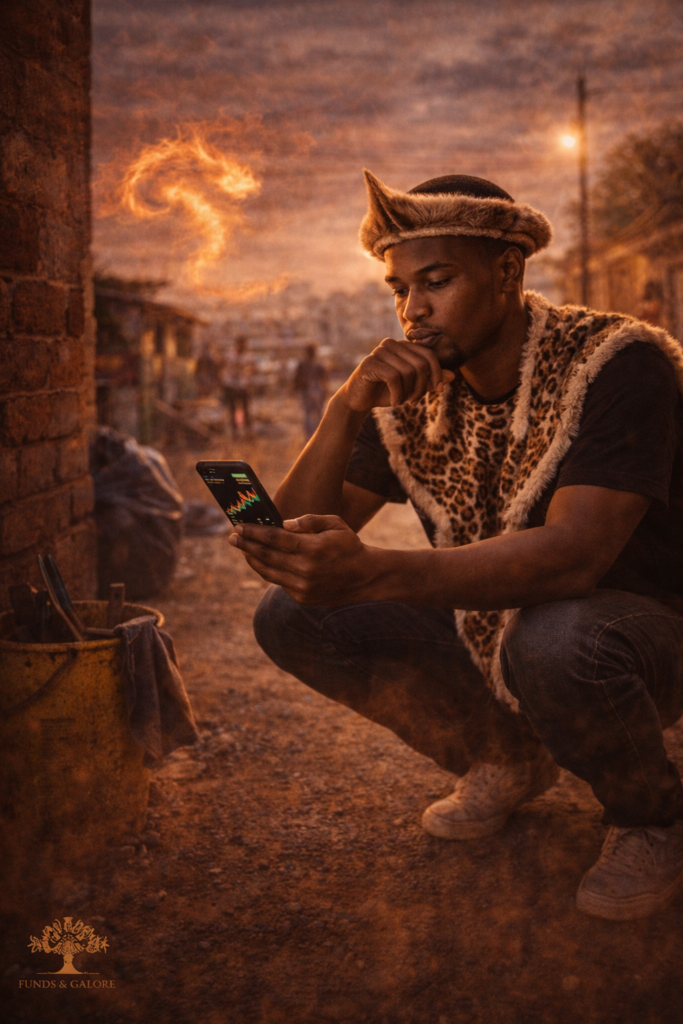
Real change doesn’t always happen in loud moments.
Sometimes… it happens quietly.
In the way you start thinking.
In the way you make decisions.
In the way you use your time and energy.
It begins when you become aware of your patterns.
And instead of repeating them…
you choose differently.
Small decisions… made consistently…
begin to create a new direction.
And over time… that direction becomes identity.
You stop reacting to everything.
You stop explaining yourself to everyone.
You focus.
You build.
You move with intention.
And slowly… without forcing anything…
your life begins to reflect that shift.
This Is Bigger Than Money: We Don’t Have a Money Problem
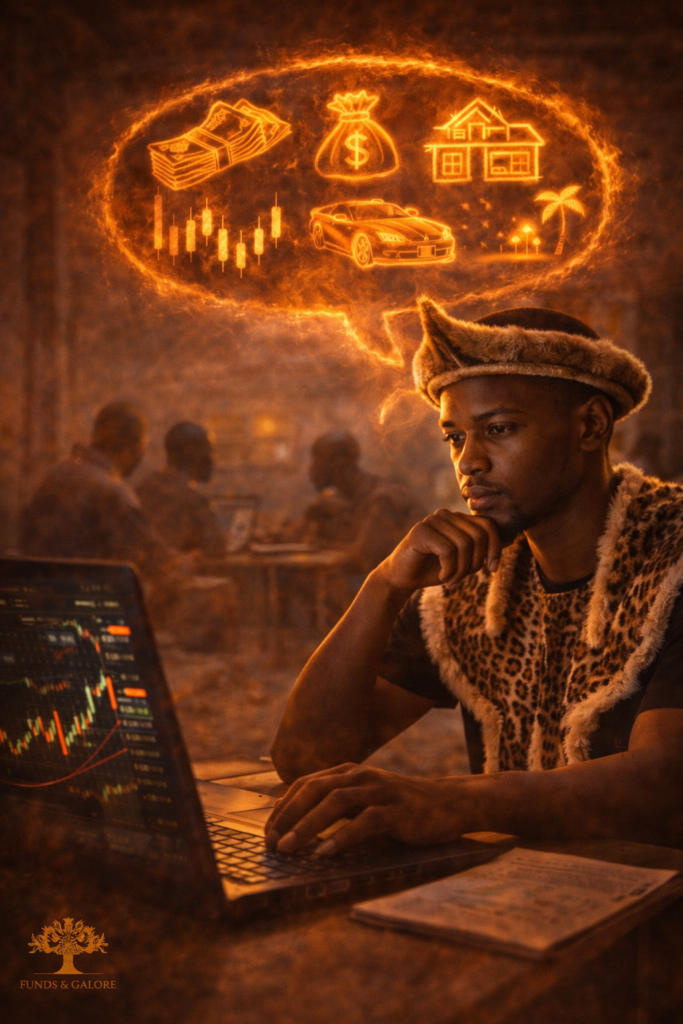
At this point, I realised something that changed everything for me.
This conversation is not only about money.
It’s about how we think as individuals…
and how those thinking patterns shape our communities.
Because a country is not only built by its resources.
It is built by the mindset of its people.
And South Africa has everything it needs.
The infrastructure…
the talent…
the potential…
But potential alone is not enough… it needs direction, discipline, and independent thinking, something widely discussed in the field of entrepreneurship and independent learning.
It needs direction.
It needs discipline.
It needs people who are willing to think differently… and act on that thinking.
Not loudly.
But consistently.
The Turning Point Conclusion: A Different Kind of Hope
So no… we don’t only have a money problem.
We have a thinking problem.
But within that realisation… there is also hope.
Because if the problem was only money…
then change would depend on things outside of us.
But if the problem is thinking…
then change becomes possible.
For anyone willing to become aware.
For anyone willing to question their patterns.
For anyone willing to take responsibility for how they think… and how they move.
Because the moment thinking changes…
decisions change.
And when decisions change…
outcomes follow.
So maybe the real question is not:
“Why don’t we have enough money?”
Maybe the real question is:
“What kind of thinking are we building… in ourselves… and in the next generation?”
Because for me… as I step into fatherhood…
that’s what matters most.
Not just what I earn.
But how I think.
How I act.
And what I pass down.
Because the future we want to see in this country…
will not only be built with resources.
It will be built with people who have learned to think…
clearly, consciously… and with purpose.
And that’s where real change begins.