
What Is Forex: Africa’s Guide to Forex
Africa’s Guide to Forex: Forex, short for “foreign exchange,”
is the global marketplace for exchanging national currencies.
It’s the largest and most liquid financial market in the world, where traders
buy and sell currencies in pairs—like USD/ZAR (U.S. dollar/South African rand).
The forex market operates 24 hours a day, five days a week, because different international

financial centers are open at various times.
Forex trading is primarily driven by speculation, international trade, and financial investments.
Traders analyse factors like economic news, geopolitical events, interest rates, and even market psychology to make informed trading decisions.
How Does Forex Trading Work: Africa’s Guide to Forex
Forex trading involves buying one currency while simultaneously selling another.
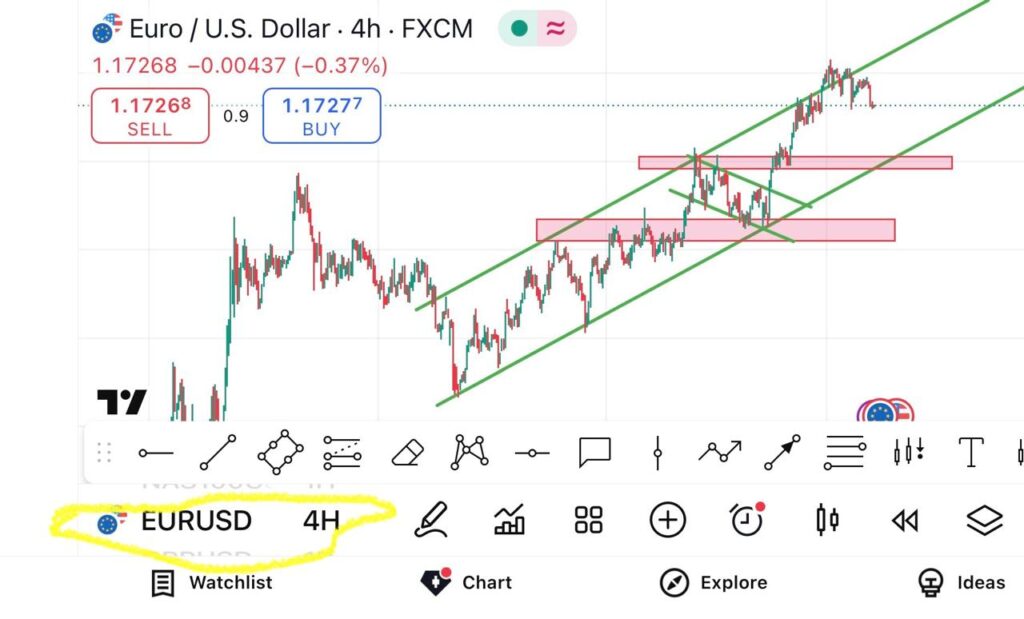
It’s always done in pairs, like EUR/USD or GBP/JPY.
The goal is to profit from changes in exchange rates. Here’s how it works in detail:
Currency Pairs
Currencies are traded in pairs, with a base currency and a quote currency.
For example, in USD/ZAR, the USD is the base currency, and ZAR is the quote currency.
If the exchange rate is 18.50, it means 1 USD = 18.50 ZAR.
How Prices Move
Prices change based on supply and demand.
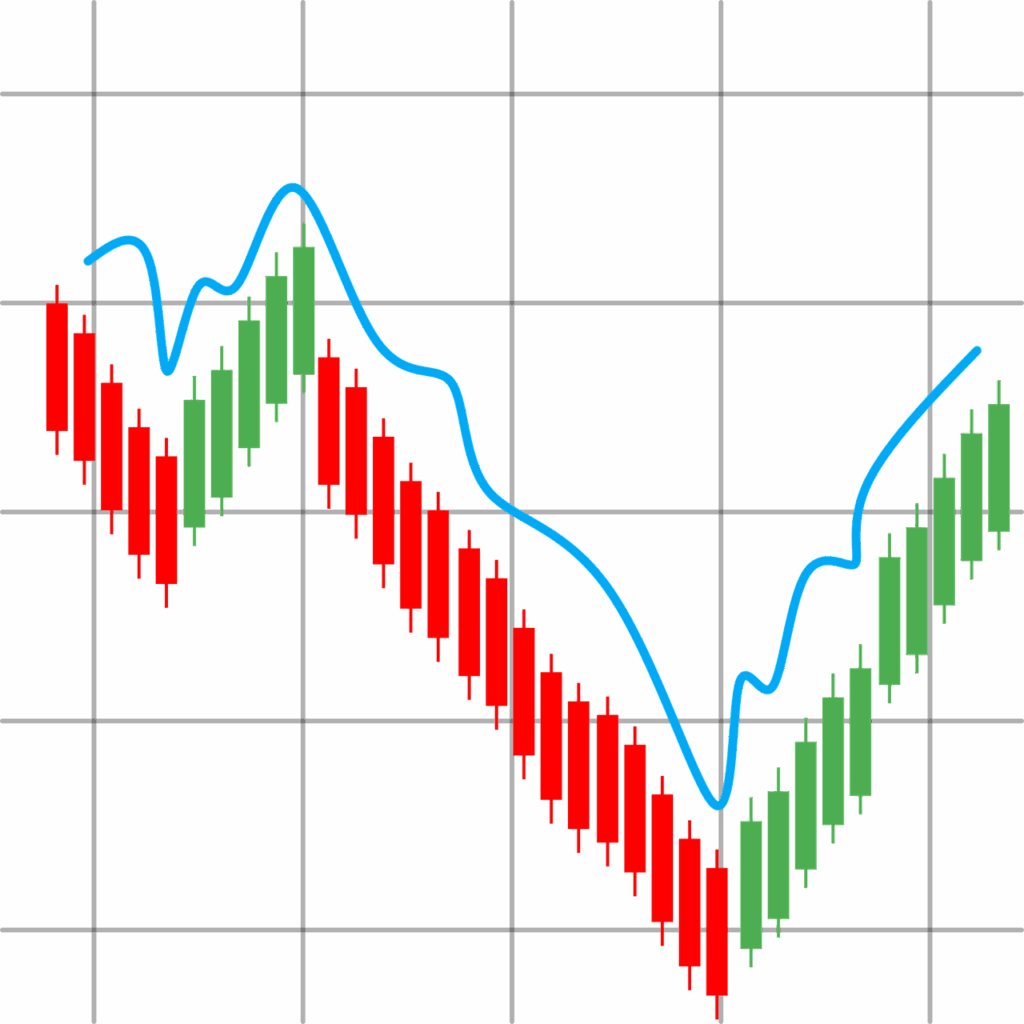
If more traders buy USD, its value rises against ZAR. If they sell USD, it falls.
These movements happen constantly due to factors like:
- Economic reports (GDP, inflation, employment numbers)
- Central bank policies (interest rates)
- Global events (wars, trade agreements, pandemics)
Trading Platforms
Most forex traders use online platforms provided by brokers.
These platforms offer charts, analysis tools, and ways to enter buy/sell orders.
Popular platforms include MetaTrader 4 (MT4) and MetaTrader 5 (MT5).
Leverage & Margin
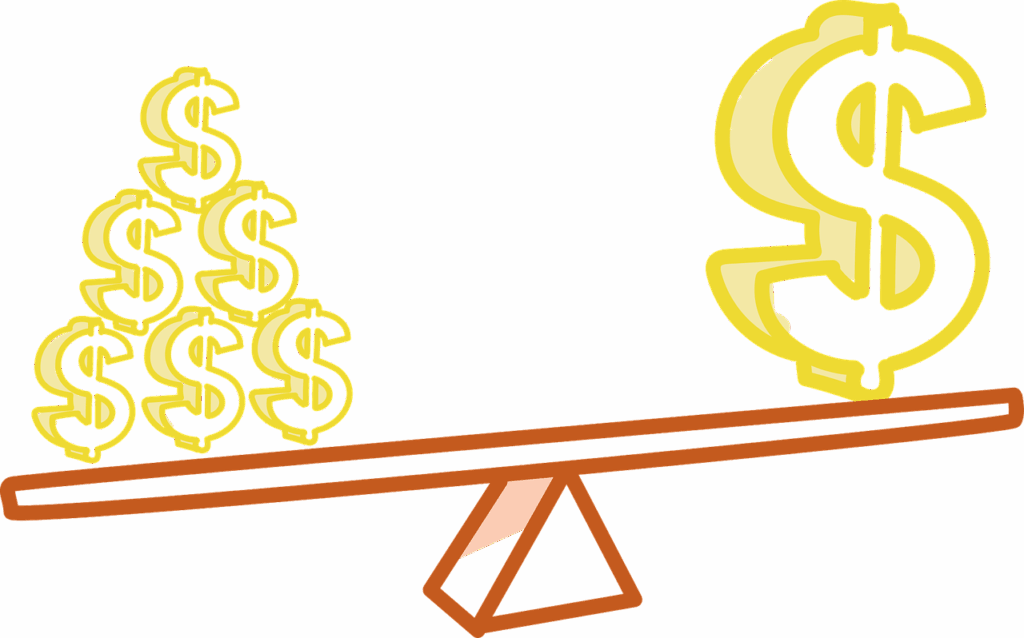
Forex trading allows traders to use leverage, meaning they can control large positions with small deposits. For example:
- With 10:1 leverage, a trader with $100 can trade $1,000 worth of currency.
- Higher leverage means higher risk, as losses can exceed deposits.
Types of Forex Trading: Africa’s Guide to Forex
Different styles of forex trading include:
- Scalping: Quick trades that last seconds or minutes.
- Day Trading: Trades opened and closed within a single day.
- Swing Trading: Holding trades for days or weeks.
- Position Trading: Long-term trading over months or years.
Risk Management
Since forex is volatile, successful traders use strategies to limit risk:
- Stop-loss orders: Automatically exit trades if losses hit a set level.
- Take-profit orders: Lock in profits when prices reach a desired target.
- Diversification: Trading multiple currency pairs instead of just one.
What are The Key Terms Used In Forex Trading: Africa’s Guide to Forex
- Currency Pair – Forex trades always involve two currencies, such as EUR/USD (Euro/US Dollar).
- Bid Price & Ask Price – The bid price is what buyers are willing to pay, while the ask price is what sellers want in exchange.
- Spread – The difference between the bid and ask price, essentially the transaction cost.
- Pips – A pip is the smallest price movement in forex, typically the fourth decimal place in currency pairs.
- Leverage – Borrowed funds that allow traders to control larger positions with a smaller amount of capital.
- Margin – The deposit required to maintain an open leveraged position.
- Lot Size – The volume of a trade, categorized into standard, mini, and micro lots.
- Liquidity – How easily a currency pair can be bought or sold without causing a significant price movement.
- Slippage – The difference between the expected price of a trade and the actual executed price.
- Stop Loss & Take Profit – Predetermined price levels at which traders exit a trade to limit losses or secure profits.
How Do These Terms Affect Trading Strategies: Africa’s Guide to Forex
- Currency Pair Selection – Traders choose pairs based on liquidity and volatility. Highly liquid pairs (like EUR/USD) are ideal for frequent trading, while exotic pairs may offer higher risk and reward.
- Bid-Ask Spread Impact – A narrow spread favors short-term strategies (like scalping), whereas a wider spread might suit long-term traders who don’t mind paying extra for entry and exit.
- Leverage & Margin Management – High leverage can amplify gains but also magnify losses. Effective risk management ensures traders don’t overextend themselves.
- Stop Loss & Take Profit Use – Setting these levels prevents emotional trading and locks in profits, helping traders stick to their strategy instead of reacting impulsively to market swings.
- Lot Size Consideration – The choice of lot size (standard, mini, micro) directly affects risk exposure. Beginners often start with smaller lots to manage risk effectively.
- Slippage & Market Timing – Slippage often occurs during high volatility. Traders use limit orders instead of market orders to minimize unexpected price changes.
- Liquidity & Execution Speed – High liquidity improves trade execution speed and reduces slippage, which is crucial for strategies relying on fast entries and exits.
LEVERAGE EXPLAINED IN DETAIL
How Leverage Works
Brokers offer different leverage ratios, such as 10:1, 50:1, or even 100:1.
This means that for every $1 in your account, you can control $10, $50, or $100 in trades.
For example, with 100:1 leverage, if you deposit $100, you can trade as if you have $10,000 in the market.
Benefits of Leverage
- Amplifies Profits: If a trade moves in your favor, you earn a much higher return than trading without leverage.
- Lower Capital Requirement: It allows traders to participate in the forex market without needing large amounts of money.
Risks of Leverage
- Magnifies Losses: If the trade moves against you, losses are also much larger.
- Margin Calls: If your account balance drops below the required amount, the broker may close your position to prevent further losses.
- Emotional Pressure: High leverage can lead to impulsive trading decisions.
Managing Leverage
- Use a stop loss to limit potential losses.
- Trade with an amount you can afford to lose.
- Start with lower leverage (like 10:1 or 25:1) to minimize risks.
Africa’s Guide to Forex: Conclusion – Part 1
Understanding the core concepts of forex, what it is, how it works, and the essential terms,
lays the foundation for long-term success in the market.
Before diving deeper into charts, candlestick
analysis, and price action strategies, it’s crucial
to master these basics and implement strong risk management practices.
In Part 2, we’ll move into the technical side of trading, including trends, patterns, support
and resistance, and the tools traders use to navigate the market effectively.