
Why Smart Money Buys Gold is the follow-up blog post to my first article in the Gold & Legacy menu, Gold’s Journey Through Time, where i exposed how gold outlasted empires, currencies and financial systems
If you haven’t read it yet, you can do so before or after reading this article.
In Gold’s Journey Through Time, I touched on the history of gold: from its role
in ancient civilizations to the end of the gold standard in 1971, halted by U.S. President Nixon.
I also highlighted the importance of gold and the magnitude of its value throughout history.
I briefly discussed today’s monetary system, and now I’m going to show you how gold
still plays a powerful role in our financial system in 2025 and why smart money continues to buy gold.
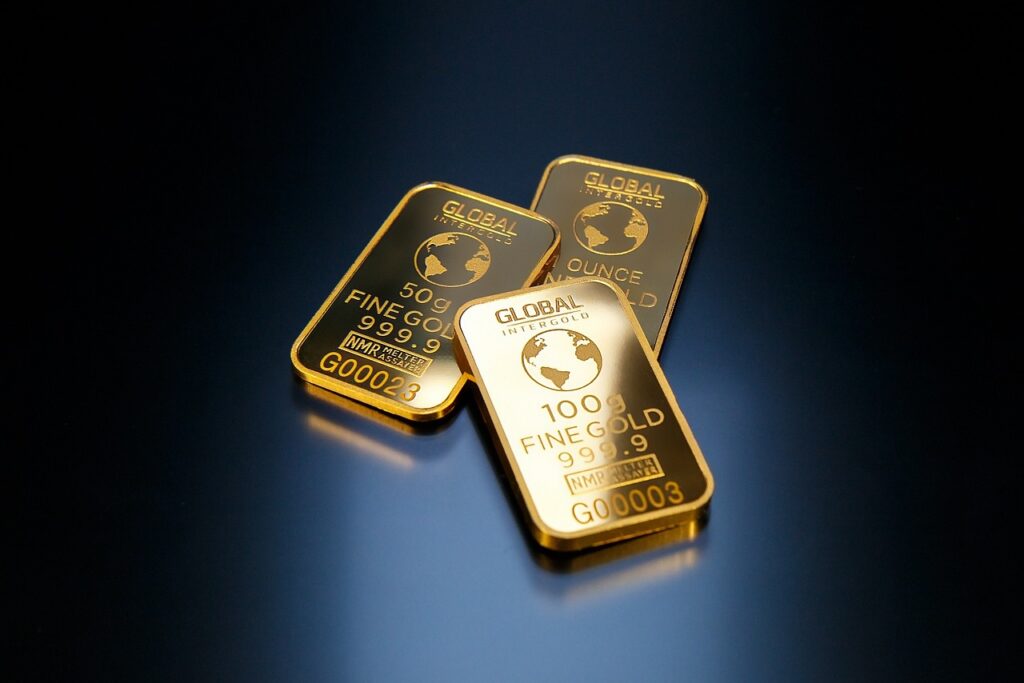
With inflation rising, currency losing value, national debt expanding, global wars breaking out, and the fact that
modern currency has no intrinsic value and is not backed by a tangible asset like gold, it’s crucial
to understand what’s really going on.
This piece is written to help you observe this financial reality, not to judge it or rebel against it, but to learn how to survive in it, just like
elite institutions, powerful families, central banks, and even entire nations do.
I’m not here to judge the system, but to understand it by decoding its strengths and weaknesses, and how it is used by those who understand it — and how you can start seeing it the same way.
Gold vs. Fiat Currency in 2025: Why Smart Money Buys Gold
In the fiat currency system of 2025, we are literally trading paper that has no intrinsic value.
The only reason fiat currency circulates is because people trust it, and trust the central banks to manage the money supply effectively.
What many people don’t realize is this: if corrupt politicians loot the economy to a point where they can’t stop, driven by addiction and greed, the entire nation suffers.
Prices of goods and services begin to rise, hitting the middle class and especially the poor the hardest. Eventually, people will lose trust in their currency.
For example:
R100 can buy you a 2L Coca-Cola, a large portion of chips, and a Russian, with some sweets or a chocolate bar.
in the future? It might only buy you one piece of gum.
The number stayed the same, but the value collapsed.
Zimbabwe’s monetary collapse is one of the worst recorded in history.
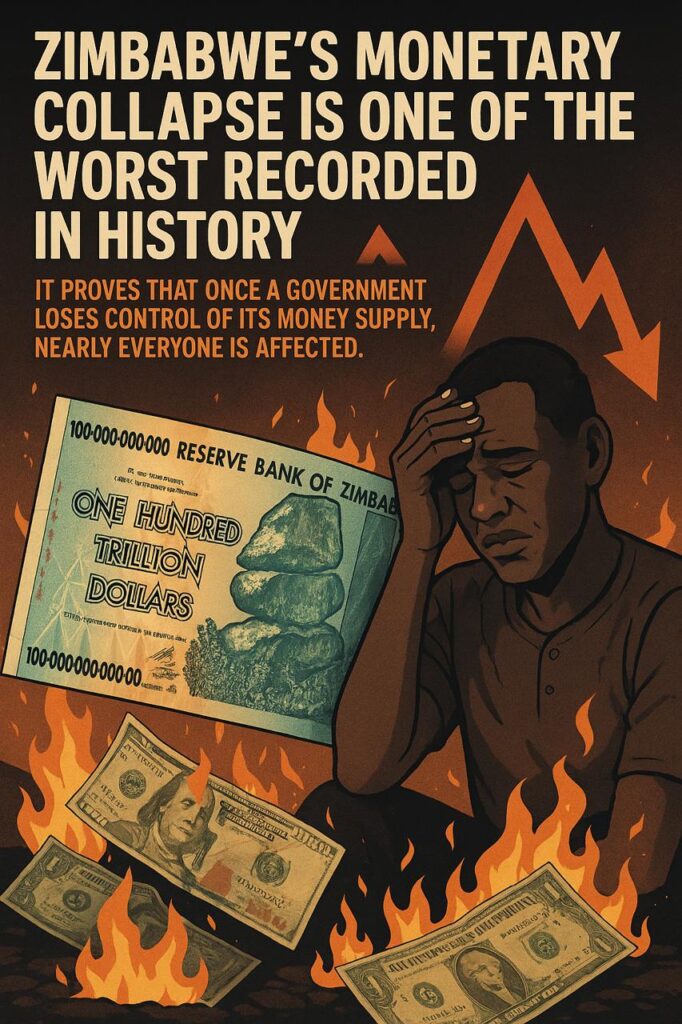
It proves that once a government loses control of its money supply, nearly everyone is affected.
But not everyone suffers.
A few people, those who understand the system know how to protect themselves.
The smartest investors are doubling down on assets like gold as hedge against this macro uncertainty.
I’m not here to convince anyone. I’m here to show you what smart money is doing and has always done, when the rest of the world panics.
Why Gold Is a Hedge Against Uncertainty
The reason I explored gold’s journey through civilization was to show you that gold has endured
the rise and fall of empires, economic crashes, and the collapse of currencies. Currencies come and go, but gold remains.
There are still many parts of gold’s history I haven’t covered, such as the legendary Mansa Musa: born in West Africa and later crowned the 10th emperor of Mali.
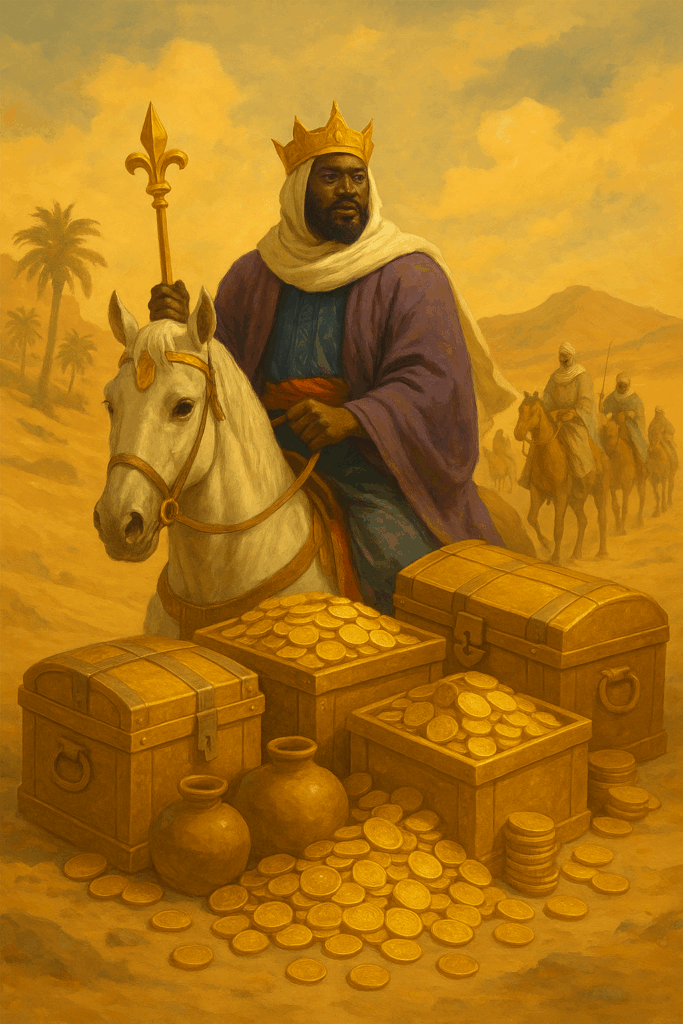
He was widely regarded as the richest man to have ever lived, largely due to his massive gold wealth.
Gold and Inflation Hedge
In today’s economy, when inflation hits, as I mentioned before, your money loses purchasing power.
What R3,000 could buy you five years ago is not the same today.
But every time this happens, gold’s value tends to rise as the cost of living increases.
This is no coincidence; it exposes where the real value lies.
Gold’s purchasing power strengthens while currencies like the dollar, the rand, and others weaken.
That’s why gold is considered an inflation hedge: it protects your wealth as fiat currencies erode.
Gold in the modern financial system is also referred to as a “safe haven” asset because of how it performs during market crashes, wars, and global pandemics.
For example, during the 2020 COVID-19 pandemic, gold’s value increased as currency values weakened.
In January 2020, gold was valued at $1,561/oz (spot price). By December 2020, it had risen to $1,861/oz. As of July 2025, gold is valued at $3,339/oz (R59,581.61).
This data proves exactly what I’ve been saying: gold has intrinsic value, but money doesn’t. This isn’t about luck, but because the world is losing faith in paper.
Always remember: when central banks print more money, our purchasing power decreases.
There must be a balance between the money in circulation and the goods and services available.
Once too much money floods into the economy, upsetting this balance, prices will rise to re-establish equilibrium.
In other words, there’s more money chasing the same amount of goods and services.
Why Hedge Funds, Central Banks & Old Money Buy Gold: Why Smart Money Buys Gold
One question that sparked my curiosity about the financial system is this:
Why do politicians, central banks, and ultra-high-net-worth individuals always hold gold reserves?
What do they know that isn’t spoken about publicly?
That question drove me to research, to learn, and to understand how smart money moves.
And it’s the reason I’m able to write this article to help you see where the smart money flows.
Wealth Preservation in Times of Crisis
Think of it this way:
If half of your net worth is in gold reserves and the other half is in paper currency, and your local economy crashes—your currency plummets—then half of your wealth would be wiped out, while the other half would rise in value.
You’d be in a much better position than someone who kept their entire life savings in a bank, in a currency that is now worthless.
The difference is that you’d have preserved your wealth, while most people watch theirs burn with the currency it’s dependent on.
That’s the real choice most never see coming. Many people were not prepared during the Zimbabwe crisis and watched as their wealth evaporated.
Gold acts as a shield when economic disasters strike.
It’s not about panic, it’s about planning ahead.
Examples: South Africa and Hedge Funds
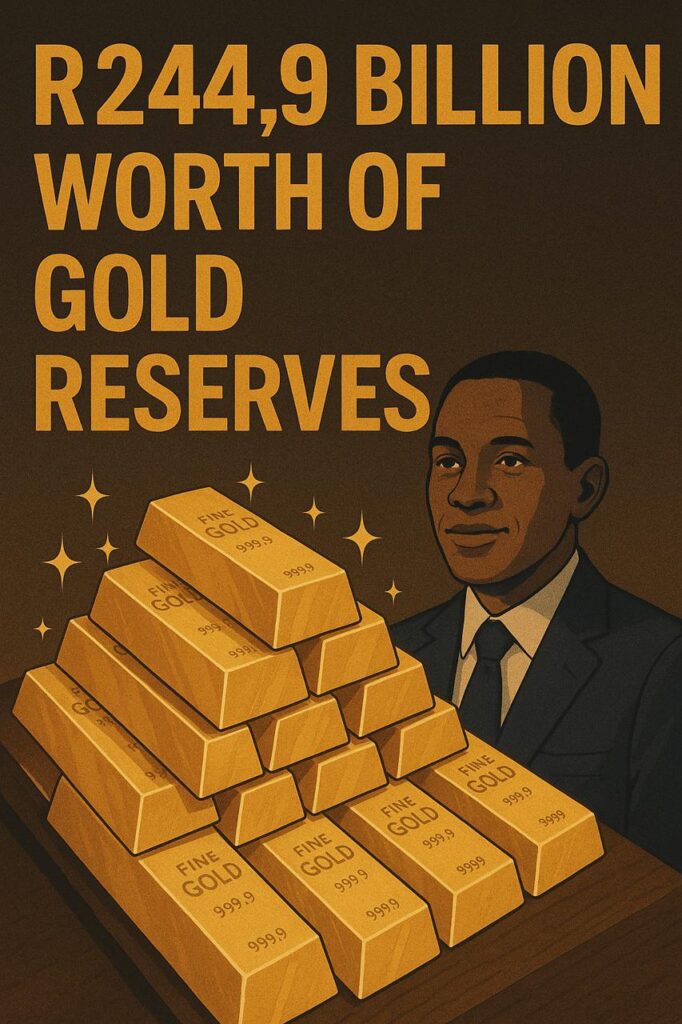
For example, the South African Reserve Bank reportedly holds R244.9 billion worth of gold reserves
in its GFECRA (Foreign Exchange Contingency Reserve Account).
Big hedge funds also use gold as a wealth preservation strategy.
One such fund is Greenlight Capital, led by David Einhorn.
The firm reported an 8.2% gain from strong returns on physical gold bars and call options on gold.
These aren’t coincidences, this is strategic positioning.
Preparation Over Prediction
Preparation is key. And that’s exactly why these elite institutions, families, and central banks prepare long before the crisis hits.
At Funds and Galore, our mission is to teach our audience how to position themselves like elite players in the system, not victims of it.
When you think about gold, don’t think about quick profits.
Think long-term.
Think wealth preservation; in good times and bad. Gold retains, and often increases, its value as fiat currencies weaken.
The goal is not to predict when the next economic crash will come…
The goal is to be prepared for it while you still have time.
Rising Global Debt and Uncertainty
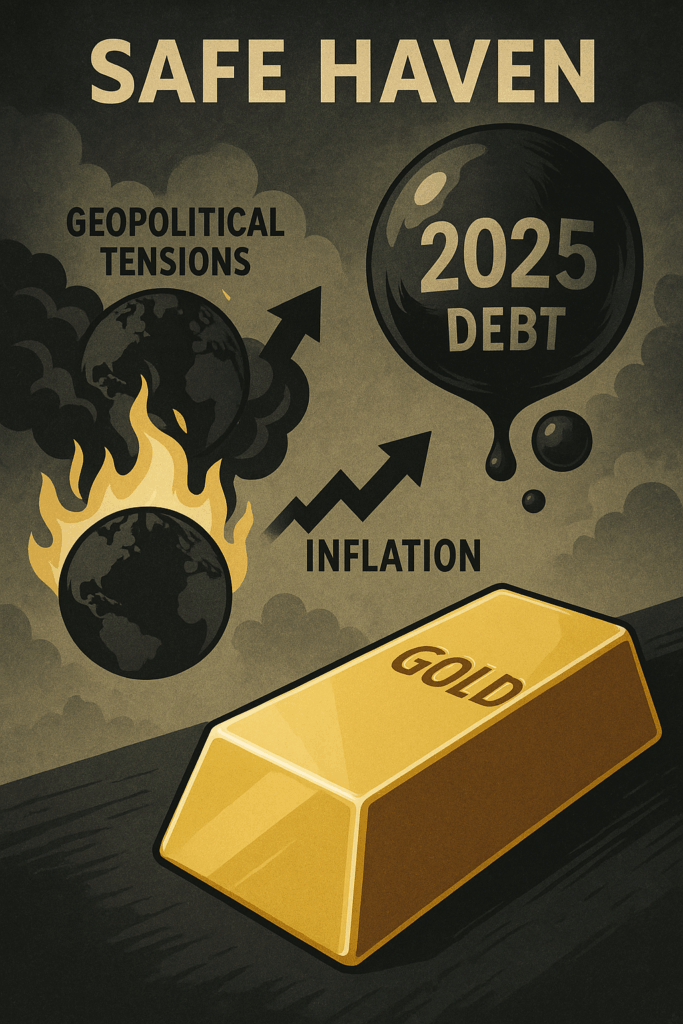
As long as the future remains uncertain with rising geopolitical tensions, inflation, and global debt: gold will remain one of the most reliable safe havens.
As of the first quarter of 2025, global national debt has reached an all-time high of $324 trillion, and it continues to climb.
Why? Because most countries run budget deficits year after year.
The United States holds the highest national debt in the world—$36 trillion, which translates to $107,000 owed per citizen.
As these financial bubbles grow, the day will come when they burst.
Maybe in 10, 50, or even 100 years: no one truly knows.
But what remains clear is this: Preparation is what will protect you.
Legacy Wealth: Why Old Money Collects Gold
Wealthy families understand this better than anyone.
That’s why many of them accumulate massive gold reserves, not for quick returns
but to store value for their lifestyle today and for generations to come.
As gold prices continue to rise over the years, so does their wealth.
Conclusion: Why Smart Money Buys Gold
Gold isn’t loud, it’s history. It’s not a trend; it’s a timeless tool.
While fiat currencies are printed, inflated, and manipulated, gold simply holds its ground.
That’s why smart money doesn’t chase noise—it positions early, in silence, for moments most people never see coming.
This is a glimpse into how those who move early and silently protect themselves long before the headlines hit.
In a world drowning in debt and uncertainty, gold becomes more than a metal: it becomes a shield.
Not just for the elite, but for anyone who’s willing to think ahead and act differently.